
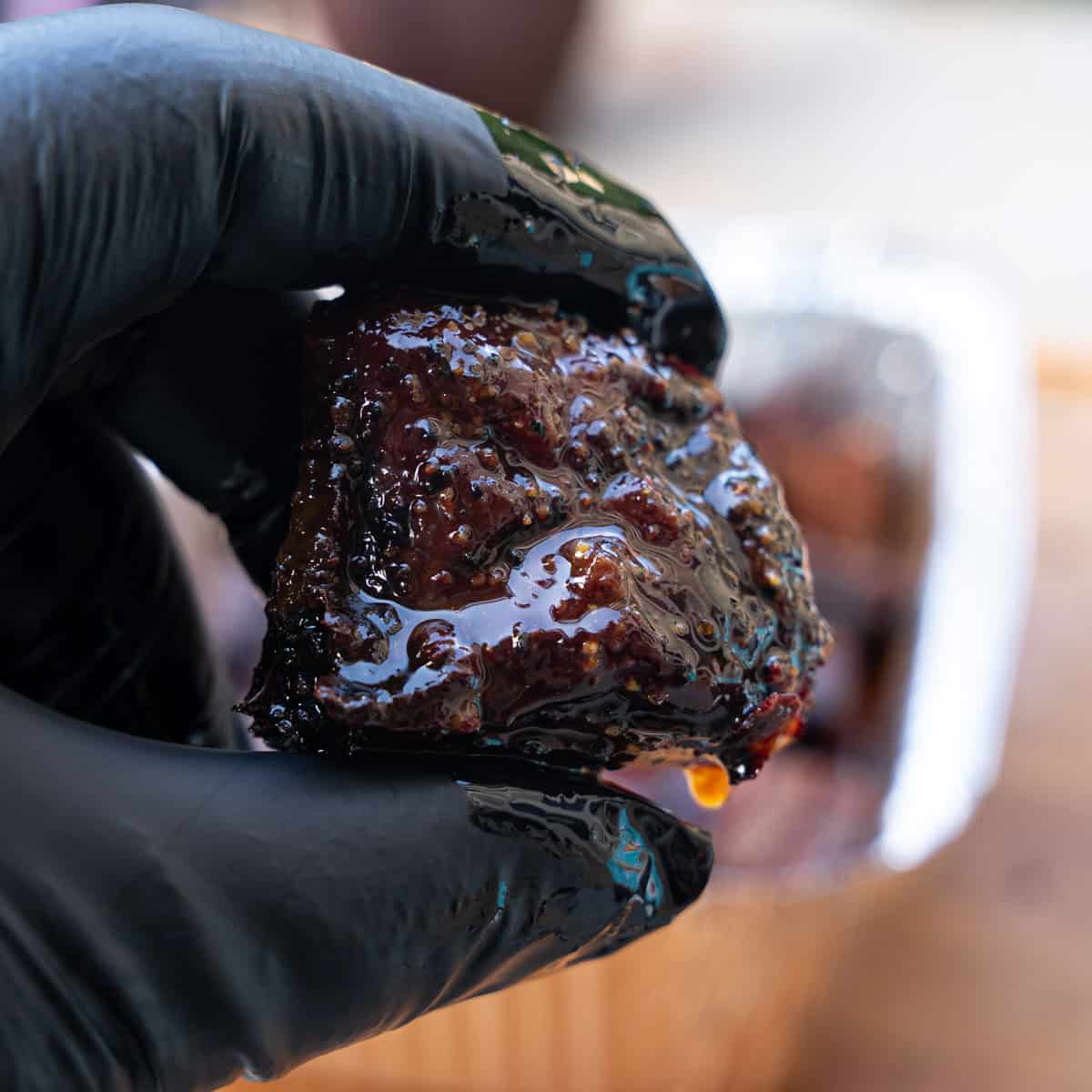
If you’re a huge fan of burnt ends but don’t want to place brisket on your smoker for an entire day (or spend the extra time and money it can cost), you’ve come to the right place. Brisket burnt ends are legendary in Texas-style barbecue, known for their bold flavors, tender texture, and sticky exterior. But what if you need a substitute for brisket that still provides rich flavor? Enter the chuck roast—a tough cut of meat from the shoulder area packed with connective tissue and marbling, making it a good substitute for brisket in burnt ends recipes. I use this more often than not when I want burnt ends because it still has a great taste, is less hassle to prepare, and takes significantly less time to cook.
In this post, I’ll walk through how to make chuck roast burnt ends with apple cider-based BBQ sauce, a recipe I consider an excellent substitute for the traditional burnt ends you usually see with brisket. Not only is chuck roast often a cheaper cut of beef (overall, at least, but I will dive into that later) at the grocery store, but it’s also incredibly forgiving when you give it the time and slow cooking methods it deserves. By the end, you’ll have a plate of flavor-packed cubes of beef that might just become one of your favorite recipes—an essential part of your beef recipes arsenal.
Jump to:
What Makes Chuck Roast a Suitable Alternative?
This cut comes from the cow’s shoulder area, which has loads of connective tissue—the key to achieving that pull-apart end product after long cooking. When done right, chuck roast can rival any brisket substitute, especially with this tangy apple cider BBQ sauce I pair with it.
Why This is a “Poor Man’s Brisket”
Brisket is typically expensive and large—fantastic for a crowd, but not always the best option if you cook for fewer people or prefer a more straightforward approach.
Chuck roast is easier to cook than brisket on the smoker and takes significantly less time -- perfect if you only need a few pounds of meat. If you’re experimenting with burnt ends for the first time, this is also a more forgiving route—meaning you won’t break the bank if it’s not perfect.
That being said, the name "poor man's burnt ends" has become a bit misleading. While chuck roast is technically a cheaper cut of beef, that's only based on overall price. Unfortunately, as this beef cut has grown in popularity over the years, it's significantly more expensive per pound than brisket. Still, a chuck roast will still only cost you ~half (or more) the price of a whole-packer brisket, so you'll still be spending less overall.
If you'd like a cheaper option, going the way of pork belly is a good option. However, it's definitely a different end product, although it does have significantly more fat, is incredibly tender and juicy, and tends to be partnered with a sweeter-based BBQ sauce.
Ingredients
Here is the ingredient list (serves ~6–8) for these chuck roast burnt ends, featuring a tangy apple cider-based BBQ sauce:
- Chuck roast
- 1:1 Salt & Black Pepper mix (+ more salt to taste)
- Apple Cider
- Apple cider vinegar
- Brown sugar
- Ketchup
- Mustard (yellow or Dijon)
- Worcestershire sauce
- Onion powder
- Garlic powder
- Chipotle powder
- Butter (unsalted preferred)
See recipe card for quantities.
Notes:
- If you prefer, you can use your favorite store-bought BBQ rub instead of a classic salt and pepper mix on the chuck roast.
- The apple cider to vinegar ratio can be adjusted if you want more or less tang.
Quick Cooking Timeline
- Prep Time: ~30 minutes (trimming, seasoning, sauce prep).
- Initial Smoke: ~3 hours before spritzing (aiming for ~180–190°F).
- Cubing & Sauce Stage: Additional 1–2 hours until ~200–205°F.
- Rest & Serve: 10–15 minutes rest time.
Instructions
Step 1: Prep the Chuck Roast
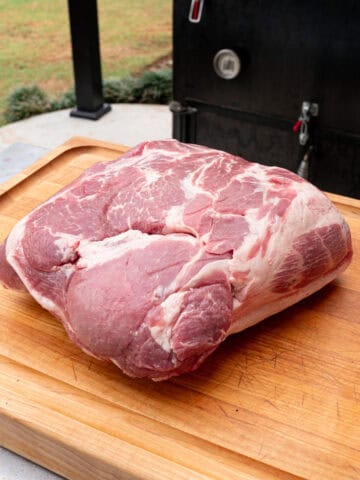
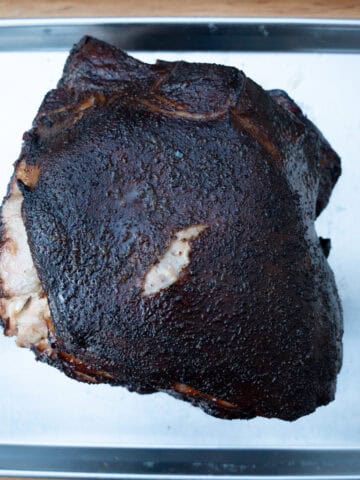
Remove any excess fat. Chuck roasts will have some marbling, which is essential for flavor, but big fat caps can be trimmed. Season all sides liberally with your favorite BBQ rub or a 1:1 salt and black pepper mix.
Step 2: Get the Smoker Going
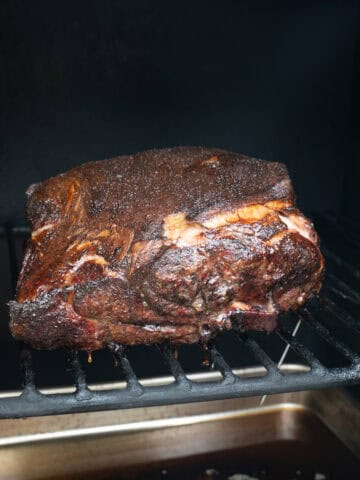
Preheat your smoker to 275°F. This temperature offers the perfect balance for slow cooking methods—not too high to dry out the meat but hot enough to cook within ~5 hours.
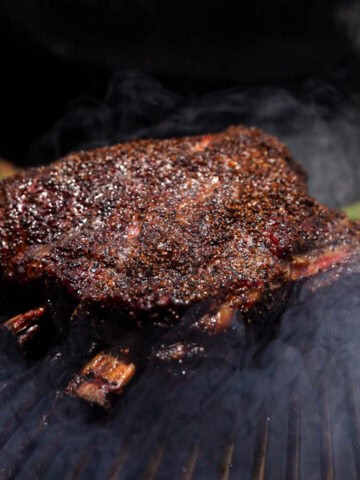
Once heated, place the chuck roast on the smoker grate. Let it absorb smoke for about 3 hours. Spritz with water or extra apple cider every hour or so to keep the surface moist.
Step 3: Make the Apple Cider BBQ Sauce
Meanwhile, combine the 1½ cups apple cider, ½ cup apple cider vinegar, ¼ cup brown sugar, ⅓ cup ketchup, 2 tablespoon mustard, 1 tablespoon Worcestershire sauce, ½ teaspoon onion powder, ½ teaspoon garlic powder, and 1 teaspoon chili powder in a skillet over medium-high heat.
Bring it to a simmer, stirring frequently. Then, reduce lower the heat and reduce the sauce by about one-third. This thickens the sauce and intensifies its rich flavor.
Step 4: Aim for 180–190°F Internal Temperature
Check the internal temperature after around 3 hours (or once the roast looks nicely browned). Once it hits 180–190°F, carefully remove it from the smoker. This step ensures the roast is partially tender yet firm enough to cube.
Step 5: Combine BBQ Sauce & Burnt Ends
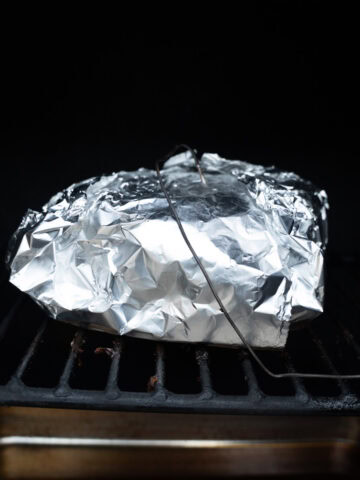
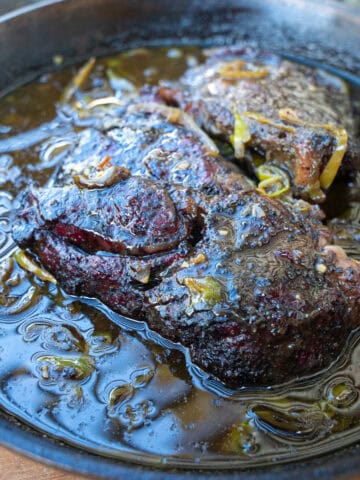
Using a sharp knife, slice the roast into 1-inch cubes. Transfer these to a foil pan and lightly pour the prepared sauce over your beef cubes. Toss gently to coat everything. Cube up ½ stick of butter and scatter it among the burnt ends. Cover the pan with foil and return it to the smoker.
Step 6: Final Cook
Continue cooking until the internal temperature of the cubes reaches 200–205°F. This final stage is crucial in breaking down any remaining connective tissue, which ensures the meat is as tender as possible.
Once finished, remove the foil and let the burnt ends rest for at least 10–15 minutes.
Step 7: Serve & Enjoy
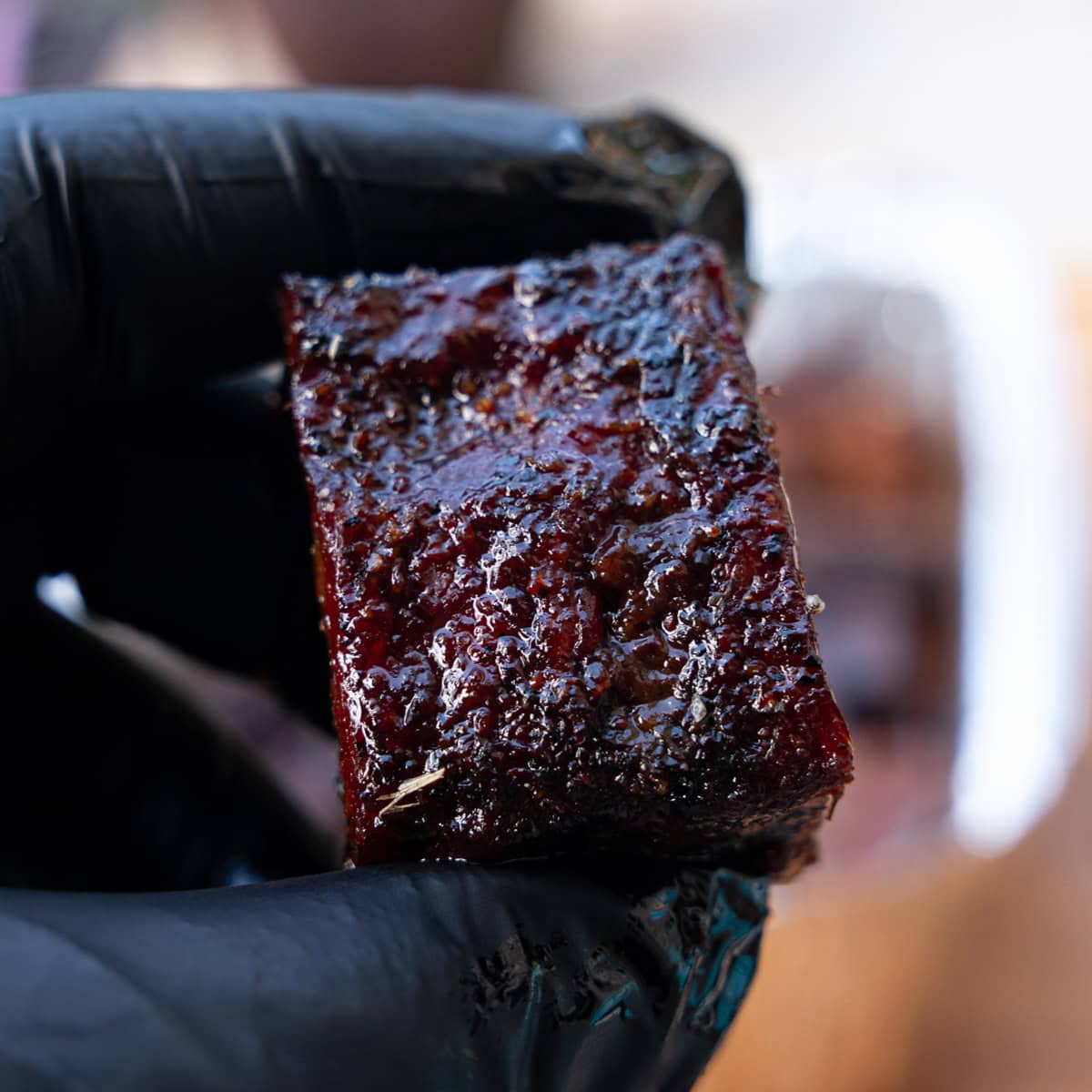
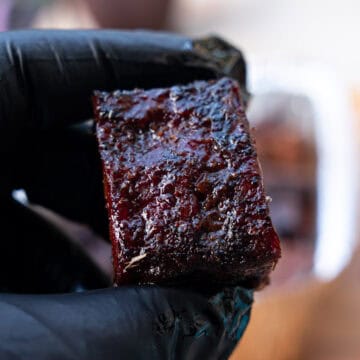
If desired, add extra sauce or serve with a side of coleslaw, potato salad, or mac and cheese. You’ll notice the distinct bark around each cube, typical of classic Texas-style barbecue—only you used chuck roast as a suitable alternative to brisket.
Why This Works
Using an apple cider-based BBQ sauce, you capitalize on the natural sweetness of apples while adding vinegar’s tang. This approach helps break down the tough cut of meat during long cooking times with the acidity of the vinegar. Still, it adds a slight sweetness noticeable enough to make a difference. Plus:
- Rich Flavor: The sauce combines apple cider, ketchup, brown sugar, mustard, and chili powder—different flavors that blend into a delicious glaze.
- Slow Cooking Methods: At around 275°F, you allow the roast to gently tenderize over hours, which also helps create a nicely formed bark on the outside of each beef cube.
Substitutions
- Choosing a Different Cut of Meat: If chuck roast isn’t available, you could try different cuts of meat like a round roast, short ribs, pork belly, or even hot dogs. While these are all popular choices, do note that varieties may have more (or less) fat, connective tissue, or an altogether different flavor profile.
- Sauce Variations: If needed, swap apple cider vinegar for white wine vinegar or use honey instead of brown sugar for a different sweet note.
- Seasoning: Feel free to add cayenne or smoked paprika for different flavors in your rub.
Variations
Interested in putting your own spin on this recipe? Use these ideas as a starting point:
- Spicy Kick: Add extra chili powder or diced jalapeños for more heat.
- Honey Mustard Twist: Replace some ketchup with mustard and honey to create an easy recipe variation with a sweet-savory glaze.
- Asian-Inspired: Use beef stock, soy sauce, and ginger in place of some apple cider for a fusion alternative—though it won’t be “Texas-style,” it can still deliver that sticky, caramelized exterior that's absolutely delicious.
There are so many ways you can adjust this recipe, it's truly hard to go wrong.
Equipment
Here's a list of the most important equipment you will need for this recipe:
- Smoker/Temperature-Controlled Grill: I prefer an option that allows for charcoal or wood as a fuel source for the best flavor
- Foil Pan: Essential for containing the burnt ends with sauce.
- Tongs & Sharp Knife: For flipping the roast and cubing the meat.
- Meat Thermometer: Monitoring the internal temperature is vital for success.
- Aluminum Foil: Used to cover the pan and expedite the process of cooking and tenderizing the beef after being sliced.
Storage
Here is how I would recommend storing any leftover burnt ends you might have:
- Leftovers: Transfer any remaining burnt ends into an airtight container; store in the fridge for up to 3 days.
- Reheating: Gently warm in a low oven (~300°F) or on the stovetop with a splash of sauce to keep them moist. Avoid high heat that could dry out the meat.
- Freezing: I like to vacuum seal any leftovers and throw them in the freezer since they can be stored for up to 2 months.
Why Chuck Roast is a Great Substitute for Brisket
Give this approach a try if you’ve always wanted to replicate “burnt ends” but balked at the cost or size of a whole brisket. Chuck roast is a beef cut commonly available at the grocery store, making it a good substitute—especially for smaller gatherings. It has enough marbling to create that tender bite we associate with brisket burnt ends, minus the massive portion. Next time you’re craving brisket burnt ends, substitute chuck roast. It might become your new go-to for burnt ends like it is for me!
Related
Looking for other recipes like this? Try these:
Recipe
Chuck Roast Burnt Ends with Apple Cider BBQ Sauce
Ingredients
- 3-4 lbs. chuck roast
- 1:1 Salt & Pepper mix + more salt to taste
- 1 ½ C apple cider
- ½ C apple cider vinegar
- ¼ C brown sugar
- ⅓ C ketchup
- 2 T Mustard
- 1 T Worcestershire sauce
- ½ teaspoon onion powder
- ½ teaspoon garlic powder
- 1 teaspoon chili powder
- ½ stick stick butter
Instructions
For the Apple Cider BBQ Sauce:
- Add the apple cider plus the next 8 ingredients to a skillet over medium high heat and bring to a simmer, stirring well. Reduce the heat to low and allow the sauce to reduce by ⅓. Set aside until ready to use.
For the Burnt Ends:
- Preheat your smoker to 275 degrees. Meanwhile, trim the chuck roast of any excess fat and season liberally on all sides with your favorite BBQ rub or salt/pepper.
- Once the smoker has come up to temperature, add the chuck roast. After 3 hours, spritz the chuck roast with liquid of choice (I often use water). Continue doing so every hour until the roast registers 180-190 degrees. At this point, remove the chuck roast from the smoker.
- Slice the chuck roast into 1-inch cubes and place in a foil pan. Lightly pour the prepared BBQ sauce over the burnt ends with the butter and toss until all sides of the burnt ends are well coated. Cover the pan with foil and return the burnt ends to the smoker.
- Allow the burnt ends to smoke until the internal temperature of the burnt ends reaches about 200-205 degrees.
- Allow the burnt ends to cool for 10-15 minutes then serve. Enjoy!
Leave a Reply