

When it comes to pork ribs, the two varieties that I most commonly see at the store are: baby back ribs and St. Louis-style ribs. Whether you're preparing for your next cookout or exploring new cuts for the smoker, understanding the differences between the two can help you make a more informed choice and increase your confidence when it's time to cook. Both varieties are delicious, but they do differ in a few important ways.
From a high level perspective, St Louis ribs are meatier and richer, while baby back ribs are leaner and more tender. The better choice depends on whether you want more flavor with St. Louis-style ribs or a quicker, easier cook with baby backs. Personally, I lean towards St. Louis cut ribs, and in this article I'll walk you through the differences between both and explain exactly why that is.
Jump to:
What Are Baby Back Ribs?
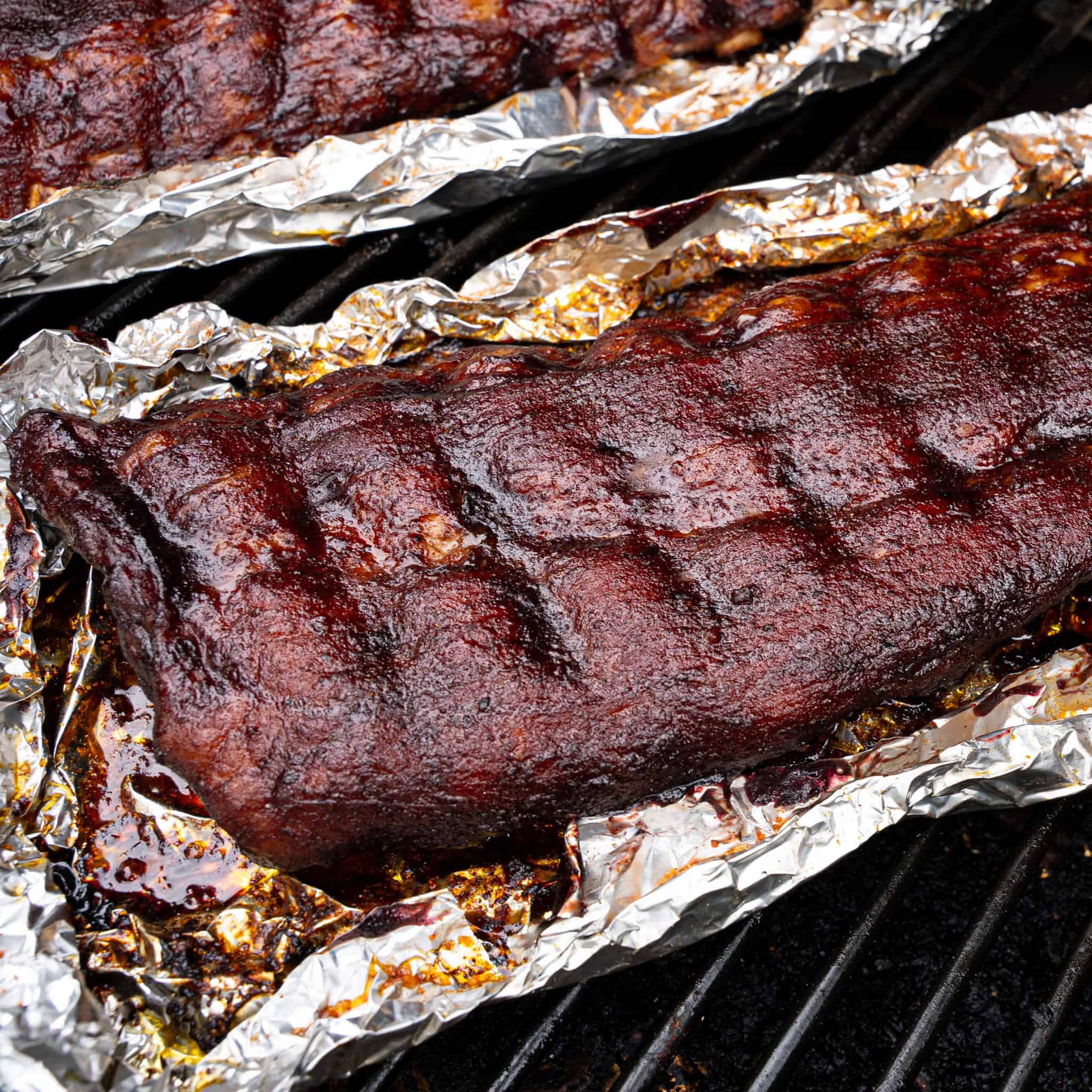
Baby back ribs are taken from the back of the pig, where the ribs meet the pork loin. These ribs have a distinct natural curve and are known for their lean meat and minimal connective tissue. This contributes to their faster cooking times and a typical "fall off the bone" feel. A typical baby back rack contains about 10 to 13 individual ribs, and due to their smaller size, they are lighter in weight than other rib cuts. This makes them an excellent choice for anyone seeking tender, easy-to-eat ribs that don't require hours of slow cooking -- they're faster to cook than St. Louis-style ribs.
Baby backs are a staple in many grocery stores -- I see them all the time at Publix, Kroger, and Costco near me -- and are especially popular due to their convenient size and mild flavor. Their lean profile makes them an excellent option for a BBQ cookout. Many grillers season them with a classic dry rub of kosher salt and black pepper, or use a favorite store-bought variety, then finish with a glossy layer of BBQ sauce for the trademark glaze these ribs give off.
What Are St. Louis-Style Ribs?
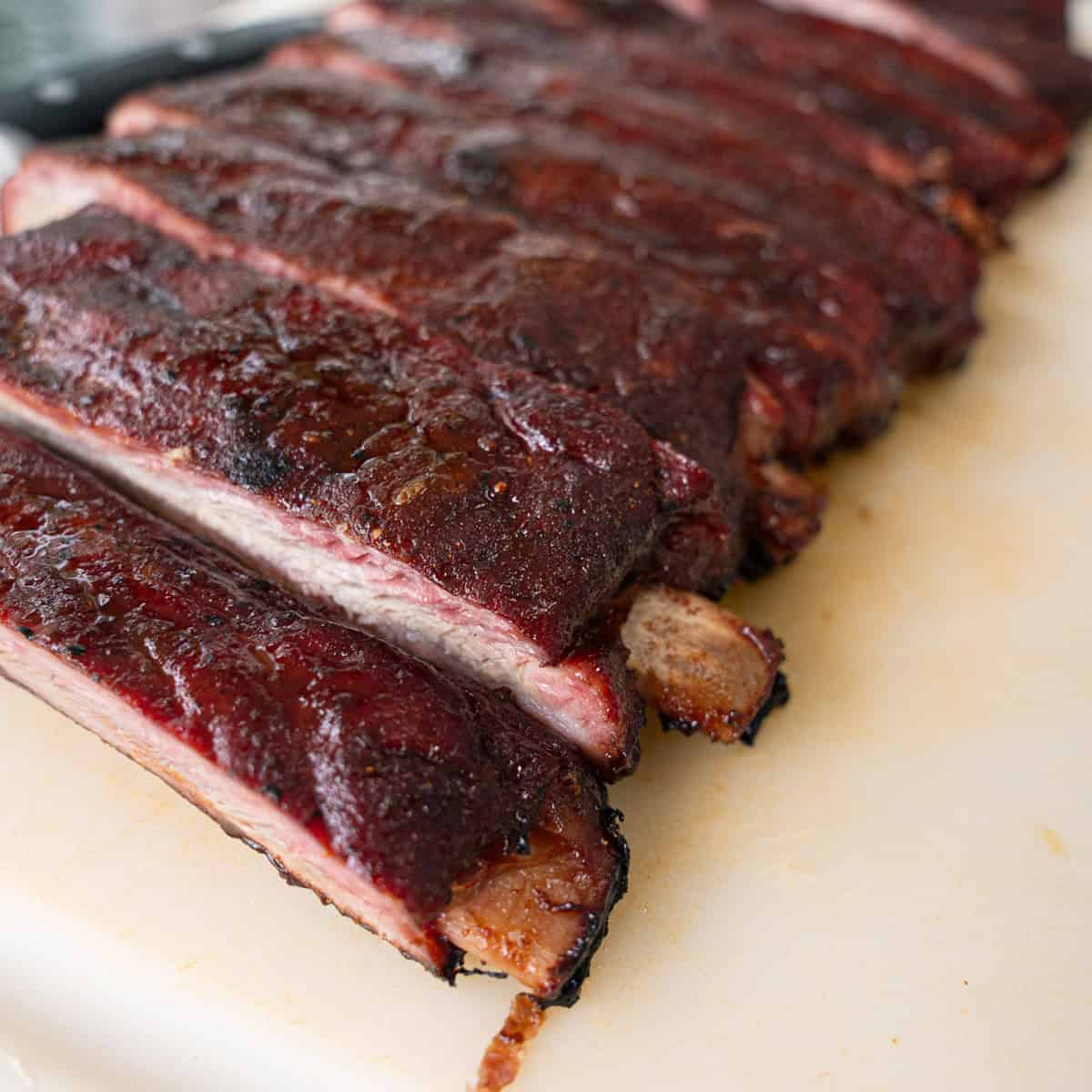
In contrast, St. Louis-style ribs come from the belly of the pig, lower on the rib cage than baby backs. St. Louis-style ribs are spare ribs that have been trimmed to remove the rib tips, chewy cartilage, and hard breastbone, leaving behind a clean, uniform rectangular shape that many people prefer for its consistency and ease of presentation.
These ribs contain significantly more marbling and have a higher fat content, which translates to a great, natural pork flavor when rendered down properly. The bones are longer and flatter, and there's generally more meat between the bones than on top. Because of the extra connective tissue, St. Louis-style ribs require longer cooking times to break down and tenderize, but they're well worth it. They perform exceptionally well when smoked, whether you're using traditional charcoal, wood, or wood pellets. For those who enjoy a rib with deep flavor and substance, this cut is a great choice to go with.
Flavor, Texture, and Cooking Time Compared
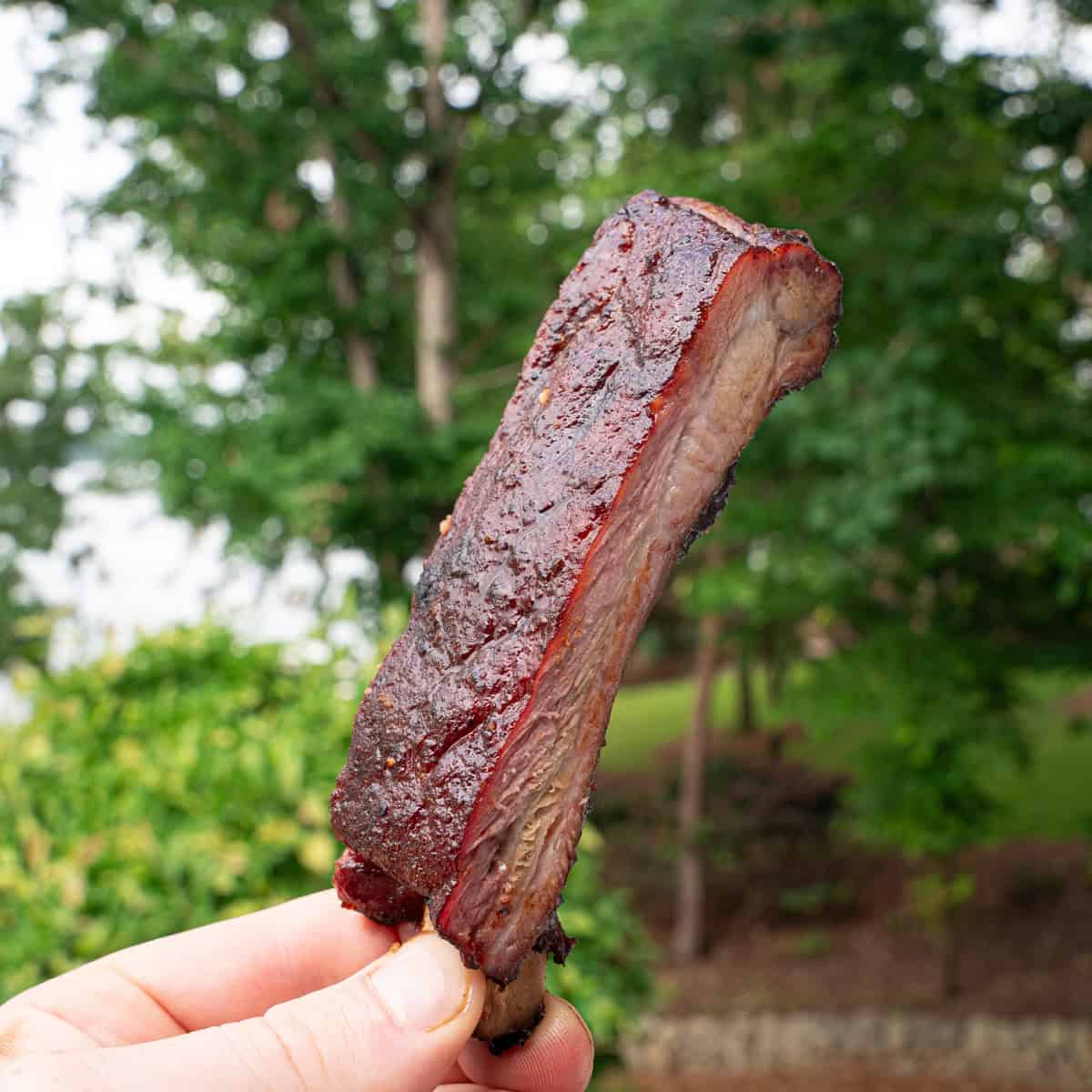
The differences between St. Louis vs baby back ribs go beyond appearance—as you might have gathered from above, they provide a different flavor, texture, and cooking requirements due to their fat content. Baby back ribs deliver a leaner, more delicate texture, making them naturally tender even when you cook them for a shorter time. As a result, I can often have them ready in 3-3.5 hours at a smoking temperature of 275°F.
St. Louis-style ribs, on the other hand, offer a heartier, more savory bite thanks to their higher fat content and additional connective tissue. They are slightly chewier but develop exceptional flavor and tenderness when cooked properly. These ribs often require 3.5 to five hours to finish cooking when rendered down correctly. If you prefer, use a temperature probe to test doneness—aim for an internal temperature of around 205°F. I usually watch for visual cues on both cuts of ribs, like bone protrusion, and rely on the "bend test," which I explain in the recipe below, to ensure the ribs render fully and finish perfectly.
Presentation and Cooking Yield
From a presentation standpoint, I prefer St. Louis-style ribs with the straighter bones, which gives a better plate appearance if that's something you're going for. Not a big deal outside of competition barbecue, and likely not something you're concerned about at your next cookout, but it was worth mentioning. They also yield more meat per rib, which is a big plus when cooking for a crowd.
On the other hand, baby back ribs are typically more compact and easier to handle. Their smaller size makes them especially accessible for beginners or those seeking a more straightforward cooking experience. They also cook more evenly due to their uniform thickness, requiring less attention throughout the smoking process. I'll tell you this: my kids prefer baby backs because of the size and tenderness of the meat compared to St. Louis-style ribs, so keep in mind who your audience is.
Which Ribs Should You Choose?

The decision between St. Louis ribs and baby back ribs ultimately comes down to personal preference, time constraints, and the experience you're aiming for. If you're looking for leaner, tender meat, a faster cook time, and a rib that's easy to eat with minimal prep, baby backs are going to be a solid option. Like I mentioned, they're an excellent option for families, busy weeknights, or anyone who wants consistent results with less effort. If you prefer a richer pork flavor, are ok with a longer cooking time, and enjoy ribs with a bit more "bite," choose St. Louis-style ribs. Both cuts offer incredible versatility, and you can cook them using your preferred method—whether you make them in the smoker, grill, or oven. Plus, each type of rib brings something unique to the table.
I love both, but I tend to lean more towards the st. Louis cuts when I'm buying ribs for myself at the store. I do enjoy baby backs, but my go-to is the former. I've already published a full article on how to cook st. louis style ribs (see how I make unwrapped version here with an apple habanero glaze!), so I want to make sure I leave you with a recipe for Baby backs as well, which I'm adding below.
Recipe
Smoked Ribs with Blueberry Jalapeno BBQ Sauce
Equipment
- knife
- cutting board
- Paper Towels
- Aluminum Foil
- grill or smoker
- Measuring Cups
- prep bowls
Ingredients
- 2-3 lbs. rib rack
- 4 T unsalted butter
- BBQ seasoning
- BBQ Sauce
Instructions
For the Ribs:
- Preheat the grill or smoker to 275°F. Meanwhile, trim the ribs of any excess fat and remove the last two bones on both ends. Next, remove the membrane and season both sides liberally.
- Once the grill is preheated, add the ribs and smoke them untouched for ~2 hours. At this point, rub a finger over the ribs. If the rub has set and does not come off, remove the ribs from the grill. If not, let the ribs smoke for another 30 minutes and check again to ensure the rub has set.
- Place the ribs on a piece of heavy-duty aluminum foil, meat side down, and wrap tightly with the butter and a liberal amount of the prepared sauce. Return the ribs to the grill (still meat side down).
- After ~45 minutes, check back in on the ribs. Once the bones start to show, they should be tender enough to continue. You can also pick them up with tongs to check their tenderness. If they have a nice bend to them when you pick them up – they’re good to go. If they’re still stiff, wrap them up and continue cooking for another 20 minutes before checking back in. This is what's known as "the bend test". You want them to be nice and floppy.
- Once the ribs are tender, season both sides liberally with your BBQ rub and let them cook for another 15 minutes, meat side up, to reset the bark. Finally, brush your favorite BBQ sauce onto the ribs or use the spicy blueberry bbq sauce I made for this recipe and let the ribs continue to cook until the glaze has set. Once this occurs, remove the ribs from the grill.
To Finish:
- Slather your ribs one more time with the sauce (if desired), slice, and serve. Enjoy!
Notes
Make Ahead: Sauce can be made up to 7 days in advance and stored in an airtight container in the fridge.
Leave a Reply