
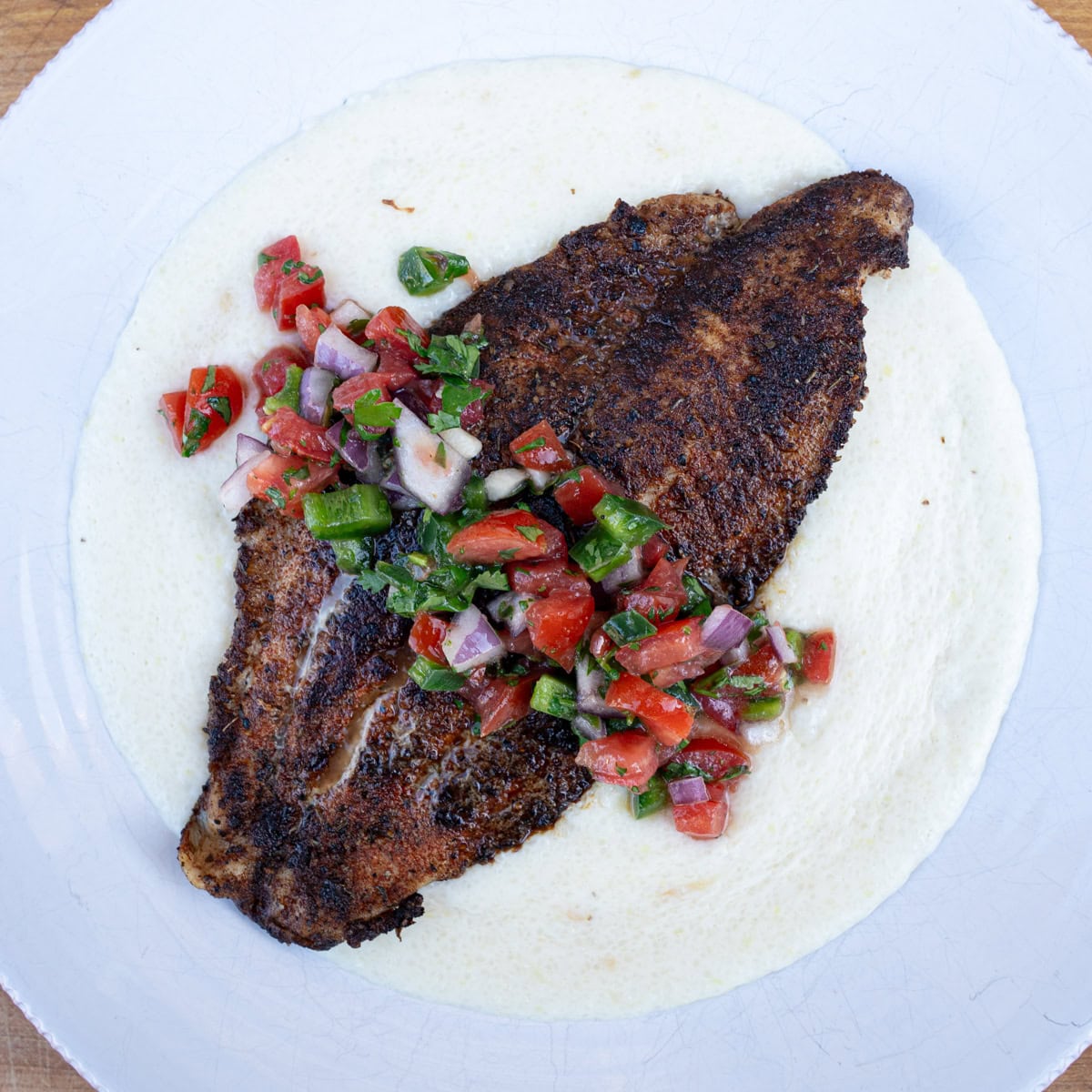
Blackened Catfish is one of my all-time favorite meals—and one of the first recipes I ever learned to cook. Because of that, it holds a special place in my heart. Catfish is one of those cuts folks often overlook at the store, but I love it. It’s affordable, lean, and when cooked right, absolutely delicious. Plus, it’s quick to make. Start to finish—including the salsa fresca—you’re done in under 45 minutes.
If you’ve never had blackened catfish before, it’s all about contrast. The Cajun seasoning brings heat and depth, the crust gives it texture, and the salsa fresca cools it all down with something bright and fresh. It’s a simple combo, but I can’t tell you how much I love this combination. In this post, I’m going to walk you through everything: how to blacken catfish properly (this method works for other proteins too), the history behind the technique, and exactly how to bring the whole dish together from skillet (or griddle, like I’m doing in this post) to plate.
Jump to:
- What Is Blackened Catfish?
- How to Properly Blacken Catfish (or any other type of fish)
- Ingredients You’ll Need
- How to Make Blackened Catfish (Step-by-Step)
- Substitutions
- Variations – More Ways to Cook Blackened Catfish
- What Sides Go with Blackened Catfish?
- Equipment You’ll Need
- Storage & Reheating Tips
- Recipe
What Is Blackened Catfish?
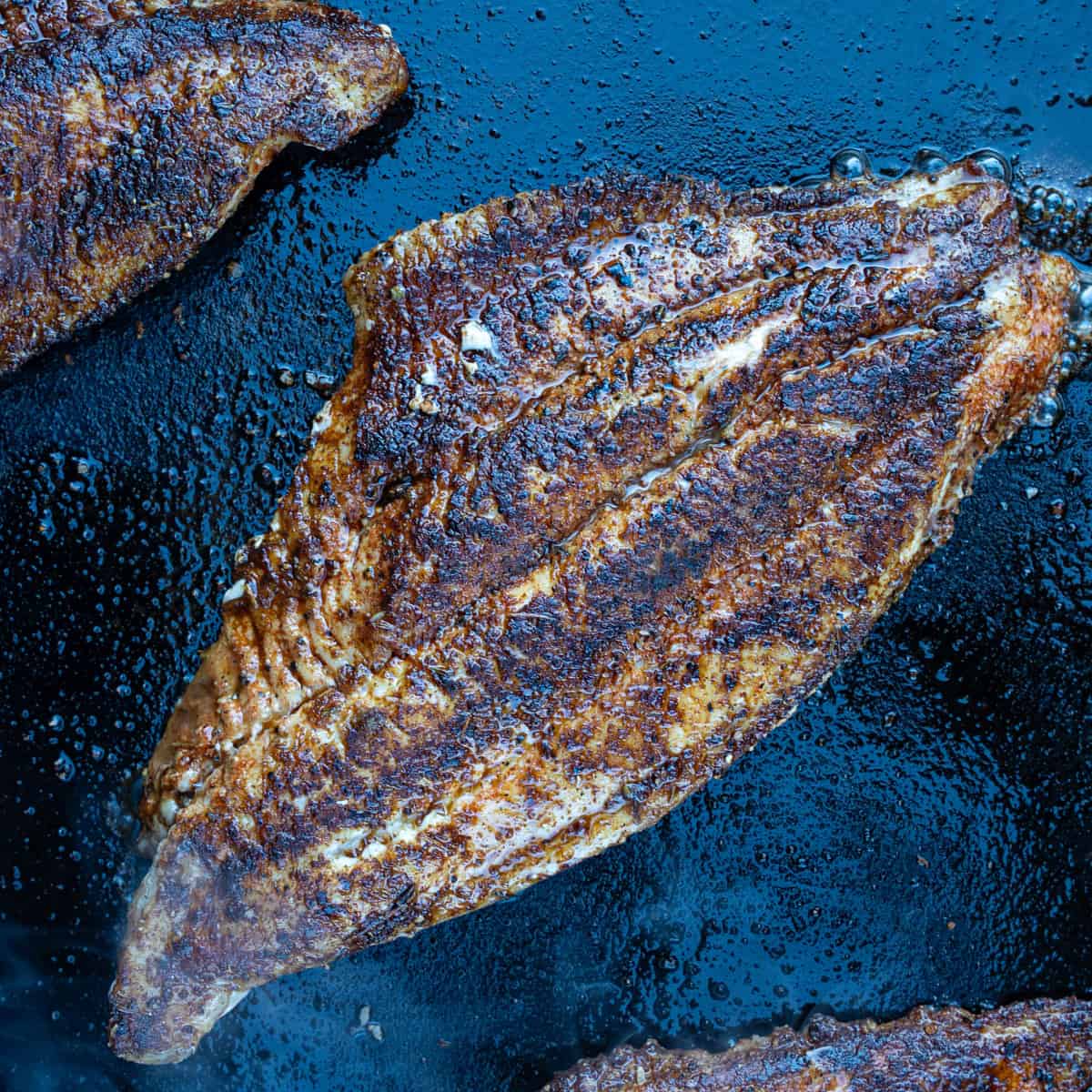
Blackened catfish is a Southern Cajun classic built around bold seasoning and high-heat cooking—popularized in the 1980s by New Orleans chef Paul Prudhomme. Rooted in Louisiana tradition, the technique was designed to maximize flavor using simple ingredients: fresh fish, spices, and intense heat. Contrary to popular belief, the term "blackened" doesn’t mean burned—it refers to the dark, flavorful crust that forms when a spice-coated fillet cooks on a hot surface—traditionally a cast-iron skillet—with butter or oil.
Traditional blackening spices include paprika, cayenne, garlic, herbs, and pepper, which I’ll be using in this recipe. It’s spicy—but not overwhelming. Plus, if you’re making the seasoning from scratch as I do, it’s easy to adjust the heat level by simply changing the amounts of cayenne and pepper you add. When those spices toast directly against the hot metal, along with the butter, you get an exceptional crust (when done right) — crispy and smoky on the outside, flaky and tender on the inside.
This happens due to the Maillard reaction, which is just a fancy name for the process in which the natural sugars and proteins in spices and fish react to create complex flavors and colors without burning.
For this cook, I’m blackening the catfish on a griddle instead of a cast-iron skillet—a great alternative if you love griddle cooking, as I do. While cast iron is traditional, blackening adapts well to other high-heat methods like a griddle, grill, oven, or even an air fryer (although in my opinion, you get the best results from a cast iron skillet or griddle). No matter how you cook it, you still get exceptional flavor, crispy texture, and a finished product that’s perfectly balanced with a squeeze of lemon or a spoonful of fresh salsa.
How to Properly Blacken Catfish (or any other type of fish)
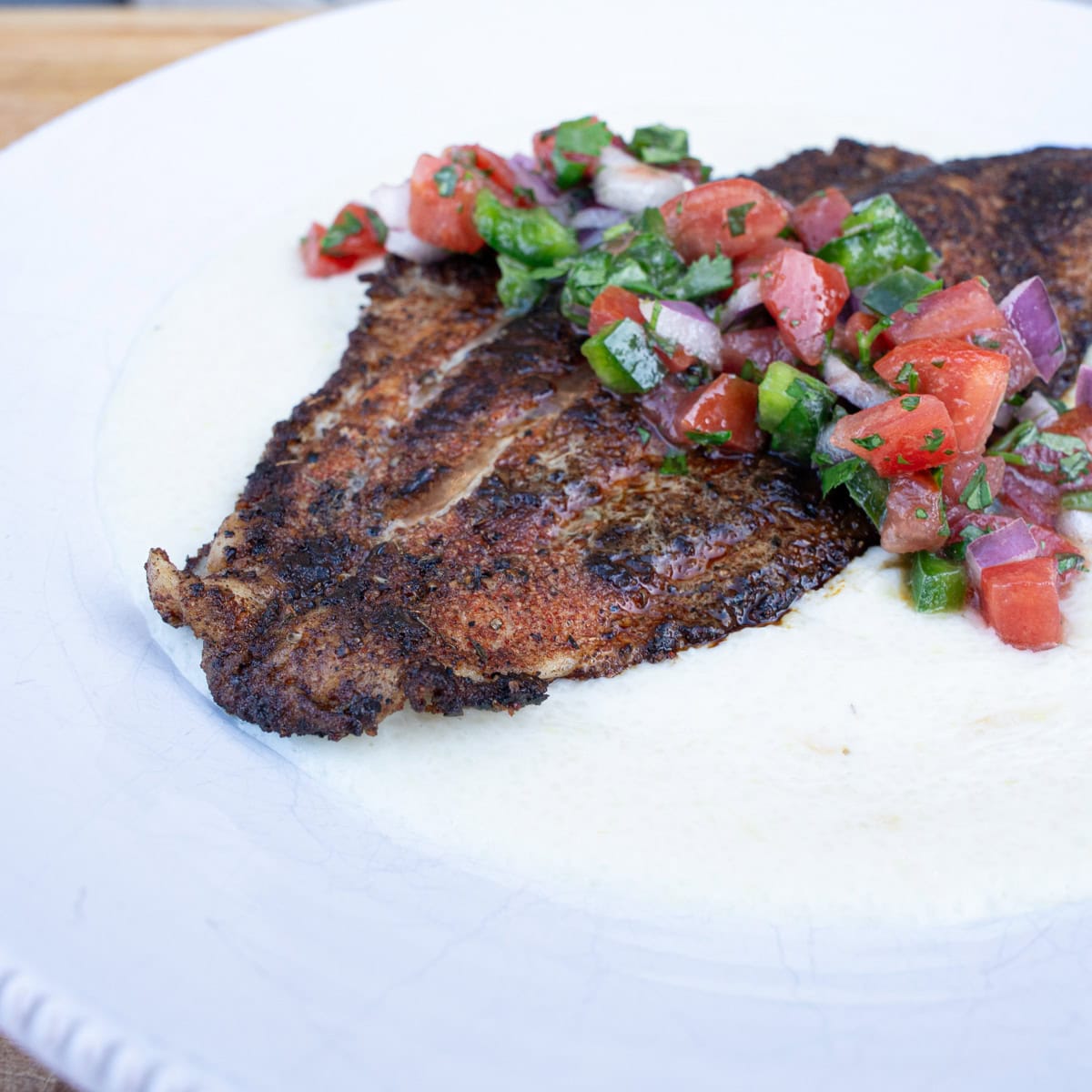
There are a few critical ingredients you need to properly Blacken catfish: high heat, plenty of seasoning, the right fat—usually butter, time, and patience. Below I’ve listed the step-by-step method to make sure you get the end product you’re looking for:
Preheat Your Griddle Until Smoking Hot
It seems straightforward, but this is a crucial step. The cooking surface has to be hot before adding the fish—hot enough that a few drops of water skitter and evaporate immediately. This ensures you have the first condition right to get the texture right on the crust. A griddle is ideal for blackening because it provides even, direct heat and a wide cooking surface.
Start with Dry, Room-Temperature Fillets
Moisture causes steaming, not searing. Pat your catfish fillets completely dry with paper towels, then let them rest at room temperature for 10–15 minutes before cooking. Most people pass right on by this step without even thinking about it. This rest period is critical, as it allows the fillets to cook more evenly and creates the right conditions for the signature crust. If you skip this step and cook the fish straight from the fridge, the sudden temperature change can cause it to seize up, resulting in a chewy texture and an uneven sear.
Generously Season and Press It In
Coat both sides of the fillets liberally with your Cajun blackening blend, and press it into the fish so it adheres. This ensures full flavor coverage and a consistent crust. If you would prefer to use a storebought variety instead of making the blend I list in the recipe, Spiceology has a great product called Black Magic Cajun Blackening Seasoning that I also like to use.
Use the Right Fat for High Heat
Butter brings traditional flavor but burns fast. For a hot griddle, I like to use clarified butter (ghee) or a neutral oil with a high smoke point like avocado or grapeseed. If you haven’t tried it, Clarified butter is an excellent product to cook with. It's essentially butter without the water and milk solids, which are typically what burn, so you get butter flavor with a cooking product that can withstand higher temperatures. You can also sear with oil and finish with butter for the best of both worlds. I do this regularly, not only with fish but also with steak.
Practice Patience
Once the fillets hit the griddle, leave them alone. Searing undisturbed for 4 to 5 minutes allows the crust to develop and prevents sticking. During this no-touch stage, listen for the faint crackle as a sensory cue that the crust is forming without interfering. Make sure to use enough oil or butter to create a protective barrier between the fillets and the pan. You will only need to flip once using a fish spatula, which helps prevent breaking the delicate fillets. Cook the other side, and remove when the internal temp reaches 145°F.
Side note
If you don’t have a fish spatula, you can check out the one I recommend here. It’s a great tool to have in your kitchen, not only for fish but also for other foods, because it’s thinner, making it easier to transfer delicate foods from a hot surface without them breaking or falling apart.
Aim for Crusty, Not Charred
You’re looking for a dark, flavorful crust—not a burned surface. It’s a fine line, but one you’ll learn quickly after cooking blackened catfish a time or two. Done right, blackened catfish should be smoky on the outside, juicy and flaky on the inside.
Ingredients You’ll Need
I’ve broken down the ingredients for this blackened catfish recipe into three groupings below. Here’s what you will need:
The Basics:
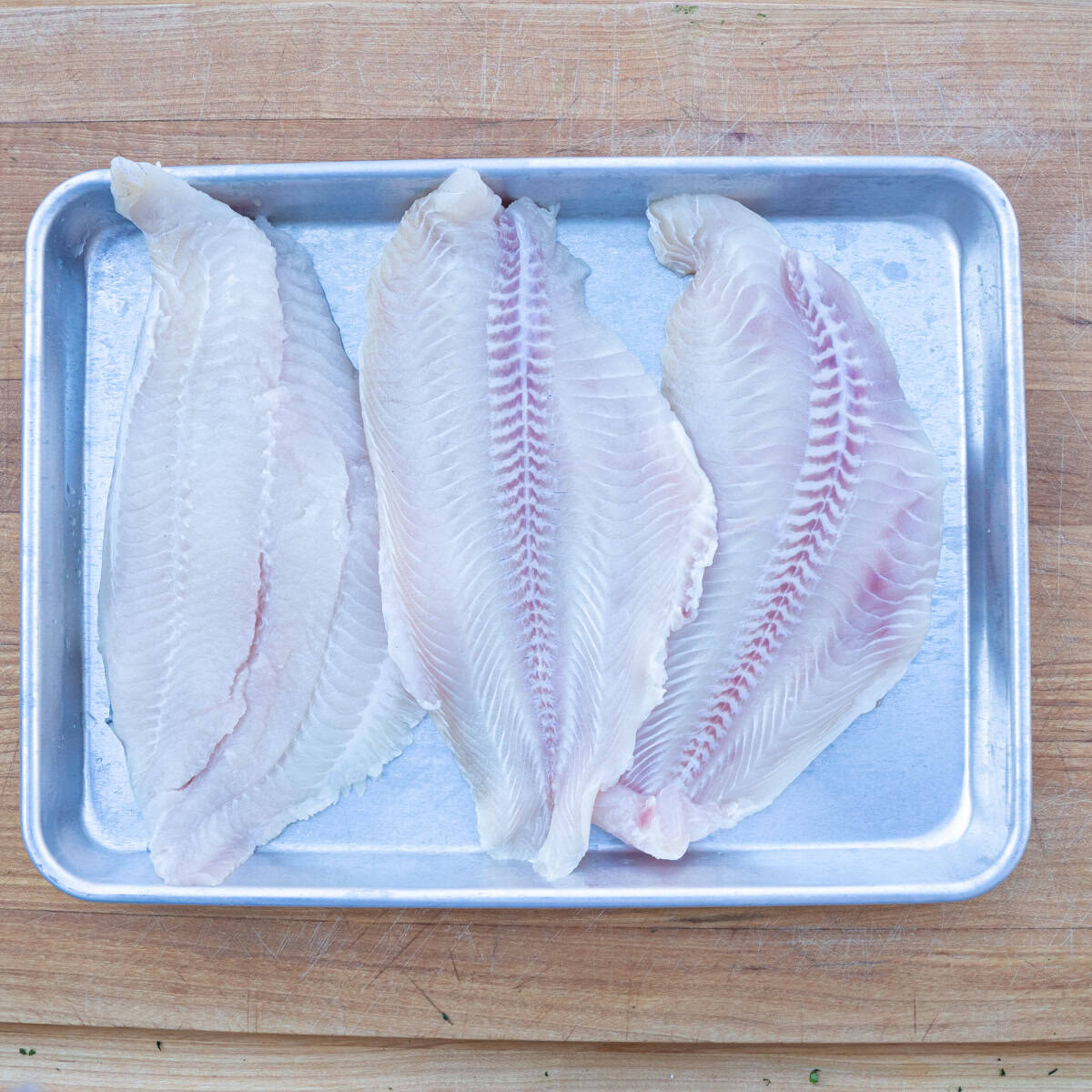
- Catfish fillets (fresh or thawed if frozen)
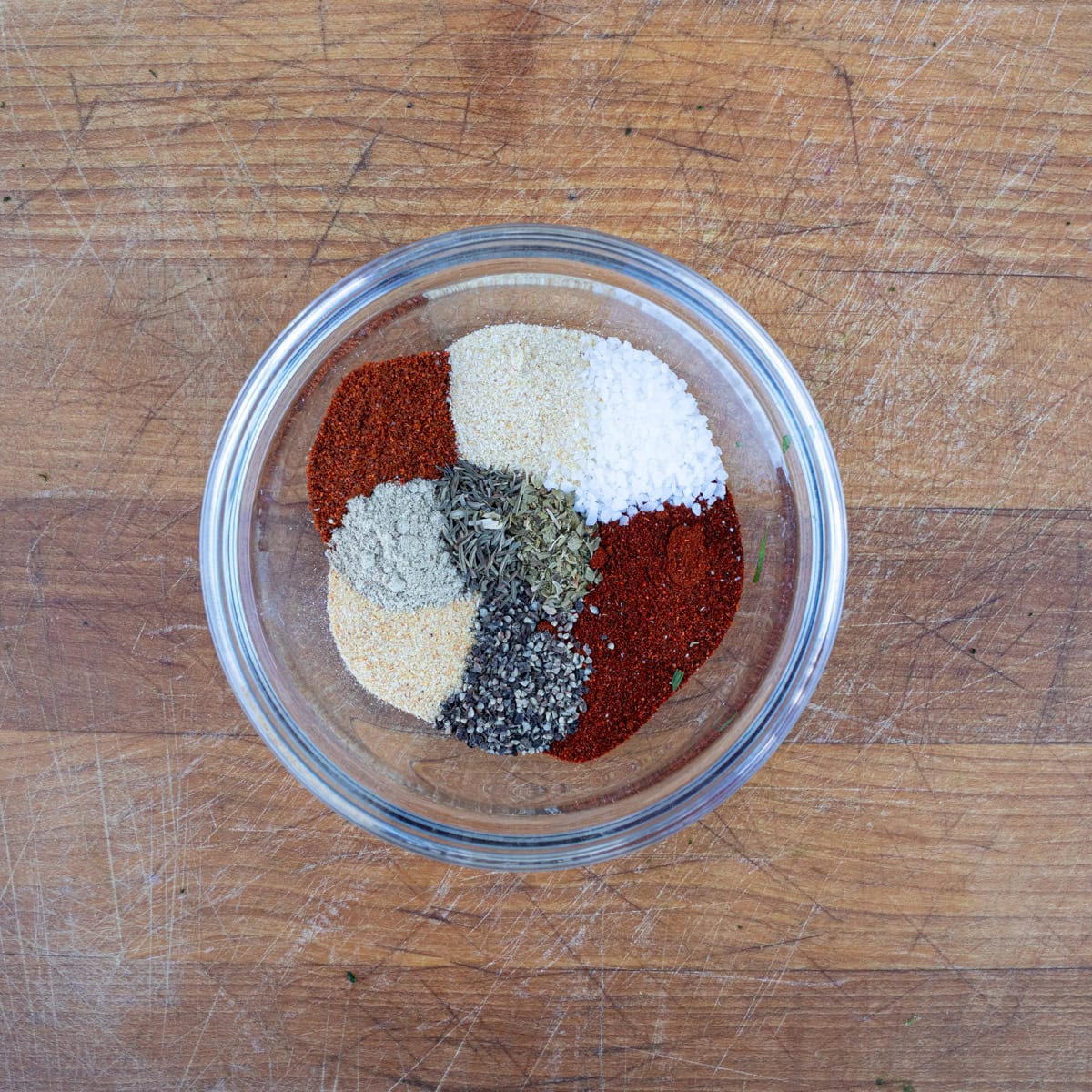
- Blackening Seasoning — made up of smoked paprika, cayenne, thyme, oregano, garlic powder, onion powder, black pepper, white pepper, and salt.
- Unsalted butter + oil—you can substitute with ghee if available.
For the Salsa Fresca:
- Plum tomatoes
- Red onion
- Lime juice
- Cilantro
- Jalapeño
- Garlic
- Olive oil
- Honey
- Salt
For Serving:
- Cooked grits or white rice — My go-to with this is always cheese grits, but rice or even mashed potatoes works, too. If you want to see how I make my grits, check out this link. I’ve written an entire blog post on them.
- Lemon wedges (optional)
Choosing the Right Catfish Fillets
Good blackened catfish starts with good-quality fish. Whenever possible, select U.S.-raised or wild-caught catfish, as these varieties typically possess a firmer texture and a cleaner, more pronounced flavor that holds up well to the blackening spices. Using high-quality catfish allows the seasoning and cooking method to enhance rather than mask the fish's natural flavor.
In contrast, heavily processed or pre-seasoned fillets tend to be softer, with muted flavor, and they don’t develop that signature blackened crust as well during cooking. For the best results, I recommend sourcing fresh, unseasoned catfish from a local fish market or grocery store that focuses on quality and local products. I always prefer to see the fillets in person when possible—that way I can check for firmness, color, and freshness before buying.
That said, it’s not always an option, which is why I like to have a reliable plan B. Online retailers like Wild Fork Foods offer quality catfish delivered straight to your door—great when local options are limited. While nothing beats hand-picking your own fish, it’s a solid backup to keep in your rotation.
If you’re using frozen fillets, make sure they’re fully thawed and patted completely dry before seasoning. Thickness matters too: thinner fillets blacken quickly and crisp well, while slightly thicker cuts stay extra juicy if you’re careful not to overcook them.
How to Make Blackened Catfish (Step-by-Step)
Step 1: Make the Salsa Fresca
In a bowl, combine diced plum tomatoes, red onion, lime juice, finely chopped cilantro, minced jalapeño (seeds removed), garlic, olive oil, honey, and salt. Stir until well combined, then taste and adjust the seasoning as needed. The cool salsa adds brightness that pairs really well with the warm, blackened catfish. Chill the mixture in the fridge while you cook the fish. You can also make this in advance, if you like.
Step 2: Prepare the Blackening Seasoning
Mix smoked paprika, cayenne, thyme, oregano, garlic powder, onion powder, salt, black pepper, and white pepper in a bowl to form your Cajun blackened spice blend. As I mentioned earlier, you can substitute with a store-bought Cajun seasoning if you want to go the convenience route. You can also make this seasoning in advance if you want to plan ahead.
Step 3: Season the Catfish
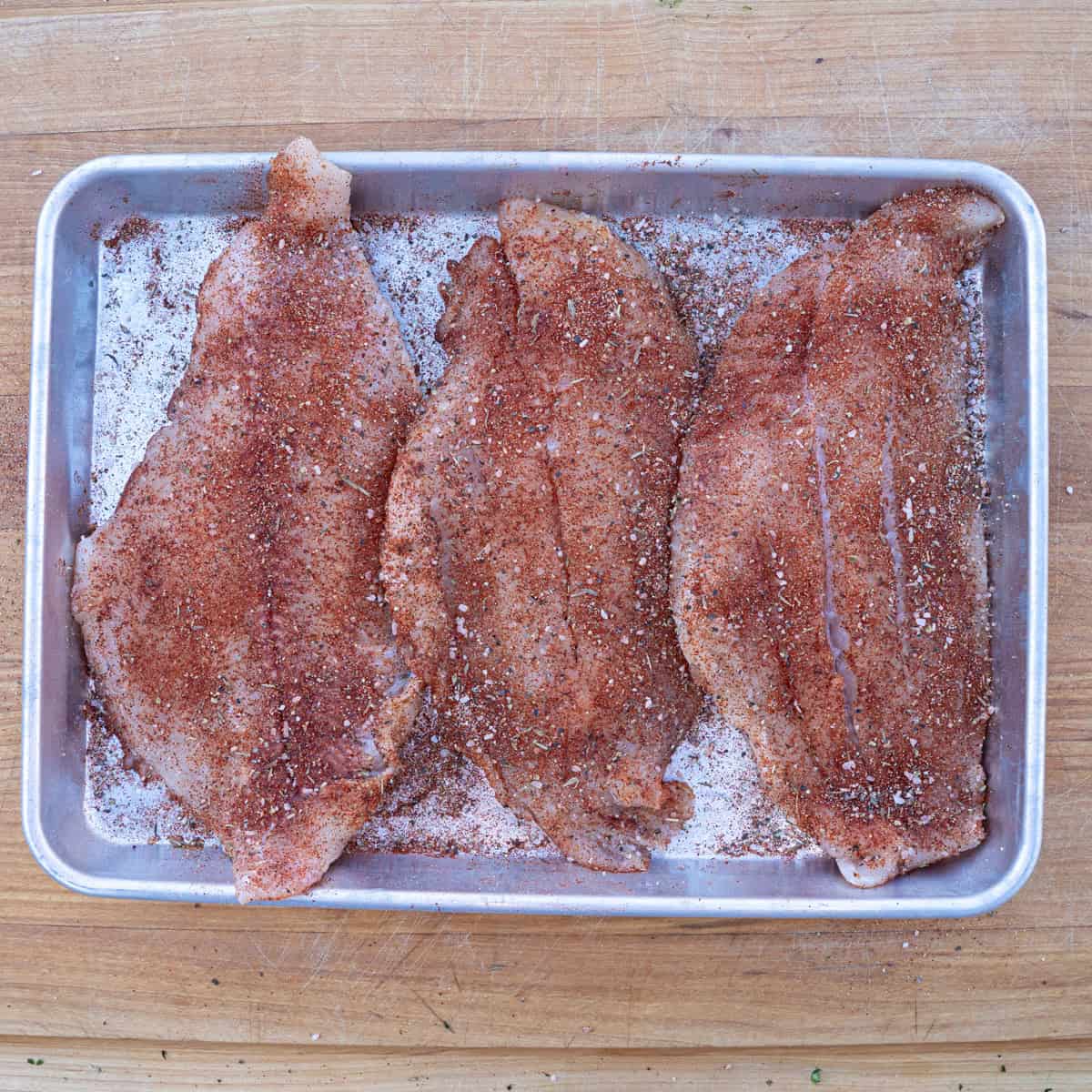
Pat your catfish fillets dry with paper towels—this helps the seasoning stick and the crust develop. Rub both sides of the fillets with your seasoning blend until well coated. I use about 1 to 1.5 tablespoons per fillet, but this is a general rule of thumb and really depends on the size of each specific fillet. The main thing is that you get the filets completely covered.
Step 4: Blacken the Fillets
Heat a cast-iron skillet or griddle over high heat until smoking hot. For reference, I set my burners on medium-high, and it works well. Add a generous spoonful of oil, butter, or ghee. Once the oil is hot or the butter is melted, carefully place your seasoned catfish in the skillet. Let them sear for about 5 minutes, undisturbed—you want that crust to form. Flip and cook the other side until the internal temperature reaches 145°F or until the fish flakes easily under gentle fork pressure. The fish should be fork-tender and flaky.
Step 5: Plate and Serve
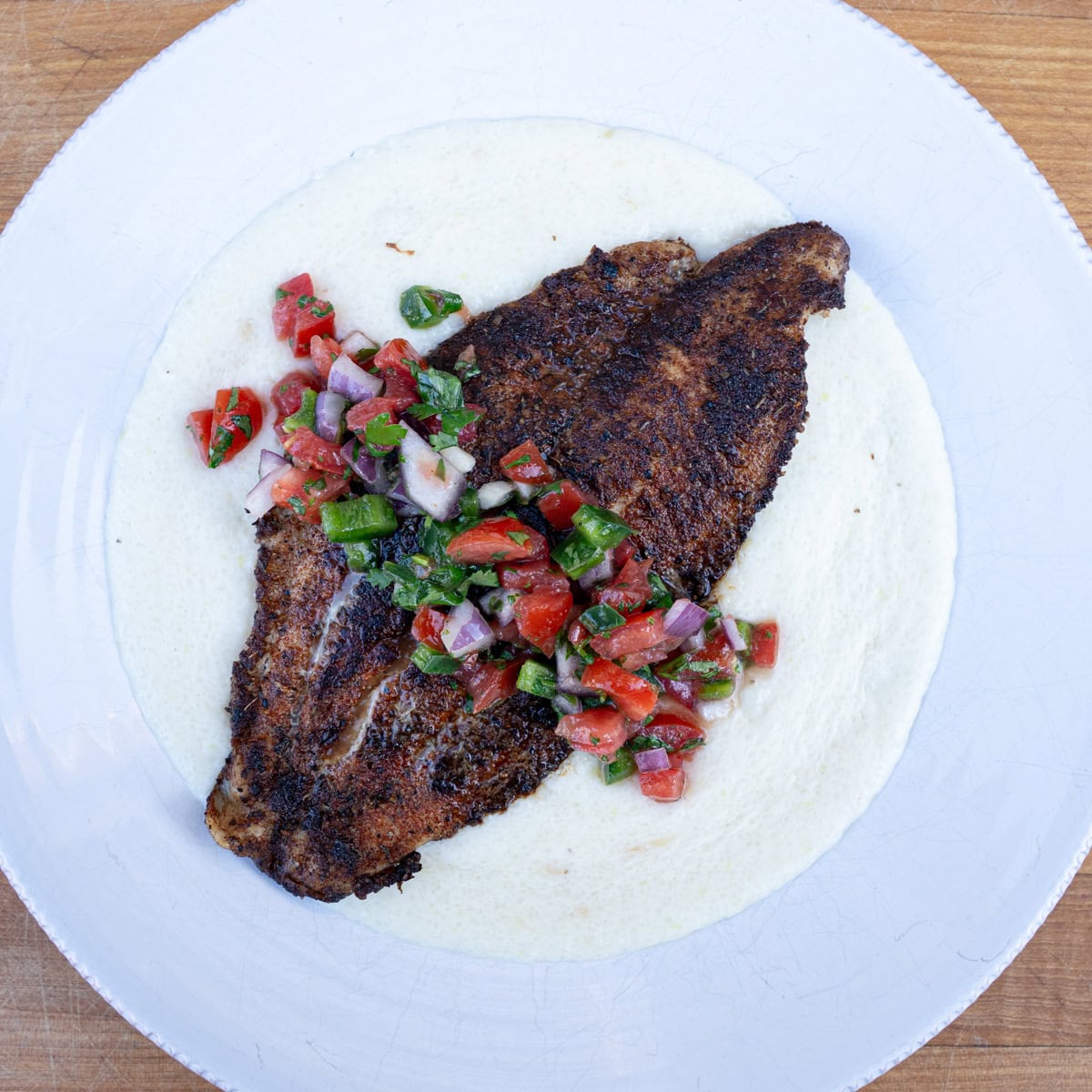
Serve the blackened catfish over a scoop of creamy grits, rice, or your side of choice. Spoon the salsa fresca on top or add a pinch of lemon to finish, then serve and enjoy!
Substitutions
If you need to switch things up, here are a few options to consider:
- Fish: Swap catfish for tilapia, red snapper, trout, or cod. Really, any traditional white fish works well. Just depends on what you have the easiest access to.
- Spice Level: Reduce the cayenne for a milder version, or leave the jalapeño seeds in for a spicier salsa.
- Salsa Options: I like to go with a classic salsa, but you can switch it up to any type you want. Mango or pineapple in place of tomato are both excellent options for summer salsa alternatives.
Variations – More Ways to Cook Blackened Catfish
Don’t like using cast iron or don’t have access to a griddle? No problem. You can still make a solid blackened catfishwith a few adjustments:
- Air Fryer Blackened Catfish: Spray the seasoned fillets with a light coating of oil. Air fry at 400°F for 10–12 minutes, flipping halfway through.
- Oven-Baked: Place on a parchment-lined tray, bake at 425°F for 12–15 minutes, and broil the last 1–2 minutes for crispness.
- Grilled: Brush the grill grates and fish with oil—Grill over medium-high heat for about 4–5 minutes per side until flaky.
What Sides Go with Blackened Catfish?
This dish is bold and spicy, so pairing it with something creamy or cooling works best. Try:
- Cheese Grits— This is my absolute favorite option!
- White or jasmine rice — I outlined in my crawfish etouffée recipe how I like to make my rice, so take a look if you’re interested.
- Cornbread — I haven’t got my recipe on the site yet, but Taste of Home has a great one here.
- Collard Greens — Ditto from the cornbread. I’m working to get both up ASAP. In the meantime, here’s a solid alternative.
Bonus: leftover salsa fresca makes a great chip dip or taco topper!
Equipment You’ll Need
- Cast Iron Skillet or Griddle
- Fish Spatula
- Mixing Bowls & Measuring Spoons
- Instant Read Thermometer
Storage & Reheating Tips
Blackened catfish is best fresh, but the leftovers can still be solid if stored and reheated properly. Keep any leftover fish in an airtight container in the refrigerator for up to two days. When you're ready to reheat, do it gently in a skillet over medium-low heat with a small pat of butter or a splash of oil to help revive the crust. As always, you can use the microwave—but it’s not ideal because it’ll steam the fish and turn it mushy. As for the salsa fresca, it's at its best the same day it's made, but it can be stored in the fridge for up to 24–48 hours.
Recipe
Griddle Blackened Catfish with Salsa Fresca
Equipment
- Cast iron skillet or griddle
- Fish Spatula
- Mixing bowls & measuring spoons
- instant read thermometer
Ingredients
- 1-2 lbs Catfish filets
- 1 T smoked paprika
- ¾ teaspoon cayenne pepper
- ½ teaspoon thyme
- ½ teaspoon oregano
- 1 teaspoon garlic powder
- 1 teaspoon onion powder
- 1 ½ teaspoon salt
- 1 teaspoon black pepper
- ¼ teaspoon white pepper
- 4 T (½ stick) butter unsalted
- 4 plum tomatoes deseeded, lightly drained, and finely chopped
- 2 T red onion diced
- ½ lime juiced
- 2 T cilantro chopped finely
- ½ jalapeno pepper diced and deseeded
- 1 clove of garlic finely minced
- ½ teaspoon salt
- 1 T olive oil
- ½ T honey
- 1 C prepared grits for serving
Instructions
For the Salsa Fresca:
- Combine the plum tomatoes and next 8 ingredients in a bowl and mix until well incorporated. Adjust seasonings to taste and place in the refrigerator until ready for use.
For the Blackened Catfish:
- Preheat the griddle to high heat. Meanwhile, combine the smoked paprika and next 8 ingredients in a bowl and mix. Season the fish with the prepared seasoning and set aside.
- Once the griddle has preheated, add the butter. Next, place the fish on the griddle for ~5 minutes untouched. Then, flip the fish and let it finish cooking until it registers 145 degrees internal temperature. At this point, the catfish should be fork tender and flaky.
To Finish:
- Plate the blackened catfish with the prepared grits, top with salsa Fresca and serve. Enjoy!
Notes
- Fish Options: Catfish is classic, but tilapia, redfish, trout, or cod all work well with this blackening method.
- Spice Level: Easily adjust the heat by changing the amount of cayenne in the spice blend or jalapeño in the salsa.
- Griddle Tip: Make sure the surface is smoking hot before adding the fish to get the best crust without sticking.
- Serving Ideas: Serve over grits, rice, or roasted vegetables. Leftover salsa is also great with chips or tacos.
Leave a Reply