
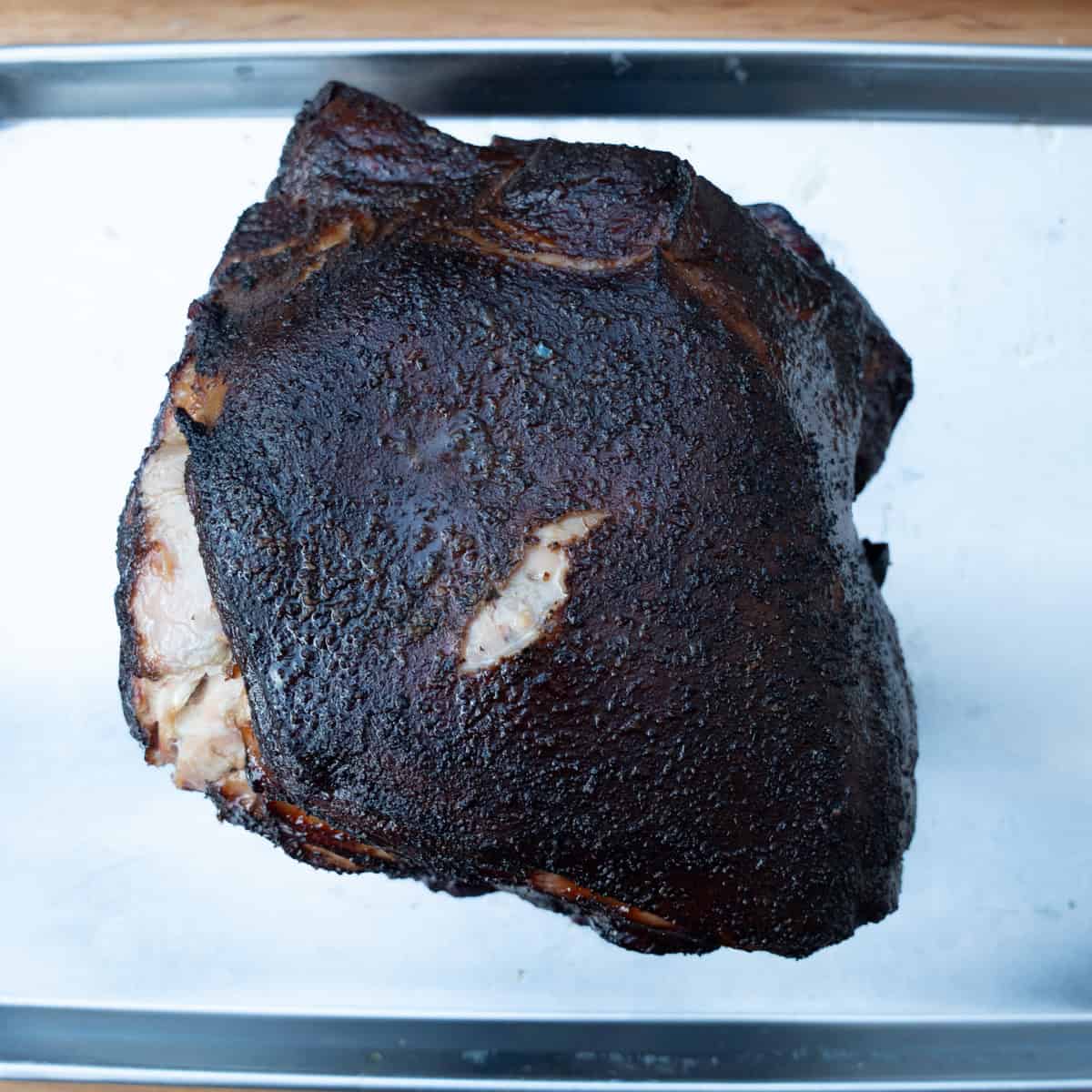
Properly resting pork shoulder after smoking is essential because it helps the meat retain moisture while continuing to break down collagen and muscle fibers. If you’ve ever spent hours smoking a pork shoulder only to shred it immediately after pulling it off the smoker, there’s a good chance you lost a lot of those juices in the process. And trust me — I get it.
For the longest time, I constantly heard people talk about how important it was to rest meat, but with two kids at home and people waiting to eat, I usually skipped it because I was always in a hurry. Once I finally started giving pork shoulder a proper rest, though, it completely changed the quality of my pulled pork. The meat stayed noticeably juicier, more tender, and easier to pull apart.
Resting is one of the most overlooked steps in barbecue, especially when cooking pork butt and pulled pork. In this post, I’m going to break down everything you need to know about resting pork shoulder, including why it matters, how long to rest it, and a few tips that will help you get better results on your next cook.
Jump to:
- Why Resting Pork Shoulder Matters
- How Long Should You Rest Pork Shoulder After Smoking?
- Should You Pull Pork Before or After Resting?
- Can You Rest Pork Shoulder Too Long?
- Should You Rest Pork Shoulder Wrapped or Unwrapped?
- Should You Vent Pork Shoulder Before Resting?
- How Much Temperature Does Pork Shoulder Lose While Resting?
- Can You Rest Pork Shoulder Overnight?
- Looking for Ideas on What to Make with Smoked Pork Shoulder? These are Some of My Favorite Recipes
The best resting time for pork shoulder after smoking is usually at least 45–60 minutes, though many pitmasters rest pork butt for at least 2–4 hours (if not longer) in a cooler or warm holding environment. Resting helps redistribute juices, improve texture, and keep pulled pork moist.
Why Resting Pork Shoulder Matters
When the pork shoulder finishes cooking, the meat is still extremely hot internally. During smoking, the fat and juices move aggressively through the pork butt as connective tissue breaks down. If you immediately pull or slice the meat after removing it from the smoker, those juices escape quickly instead of staying inside the shoulder pork.
Resting gives the meat time to:
- Redistribute moisture
- Relax muscle fibers
- Stabilize internal temperature
- Finish carryover cooking
- Improve pulled pork texture (when done right)
As the pork rests, heat continues redistributing internally while collagen and rendered fat settle back into the meat fibers. This is why resting can often be the difference between juicy pulled pork and dry shredded meat.
What Happens If You Don’t Rest Pork Shoulder?
On the flip side, skipping the resting process can cause several problems. If you pull pork shoulder immediately after cooking, the juices tend to run out much more quickly than if you let them redistribute throughout the meat. As a result, the pork can dry out faster, develop a stringier texture, and lose some of the rich moisture that makes great pulled pork so great. A pork butt can still taste good without resting, but it usually won’t have the same tenderness, texture, or moisture retention as one that’s properly rested.
How Long Should You Rest Pork Shoulder After Smoking?
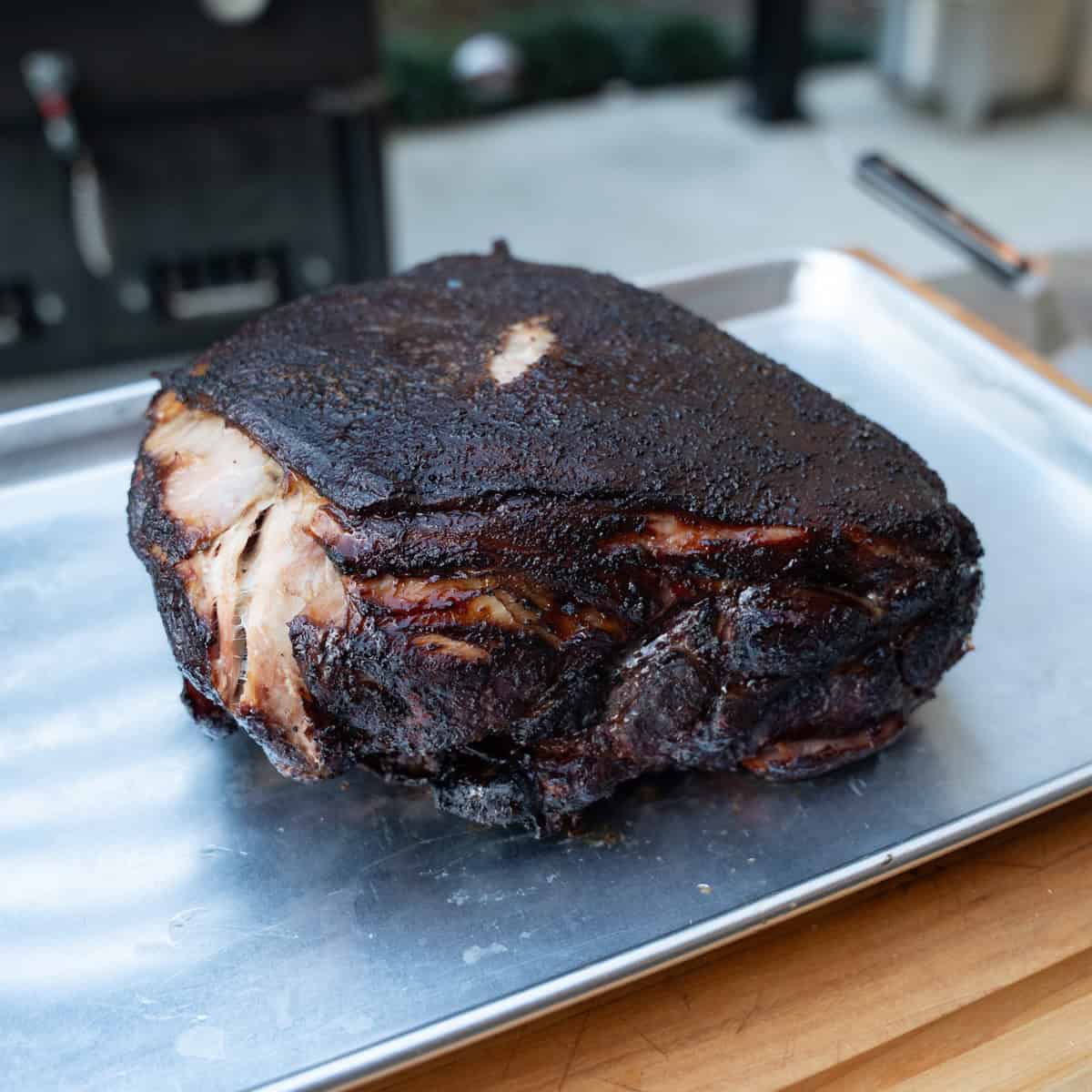
Now I totally understand that a pork butt is a cut that often runs behind schedule on the smoker, so the last thing you may want to do is take the time to rest the meat once it’s done, only to risk infuriating your family or guests even more. That said, if you are not in panic mode, most pork shoulder cooks should rest for 45–60 minutes. I’m putting a lot of emphasis on the phrase “minimum resting time,” too, because you should rest even longer if you have the time. I generally prefer hot holding a finished pork for 2-4 hours on average, but I’ve hot held them as long as overnight under the right conditions.
Should You Pull Pork Before or After Resting?
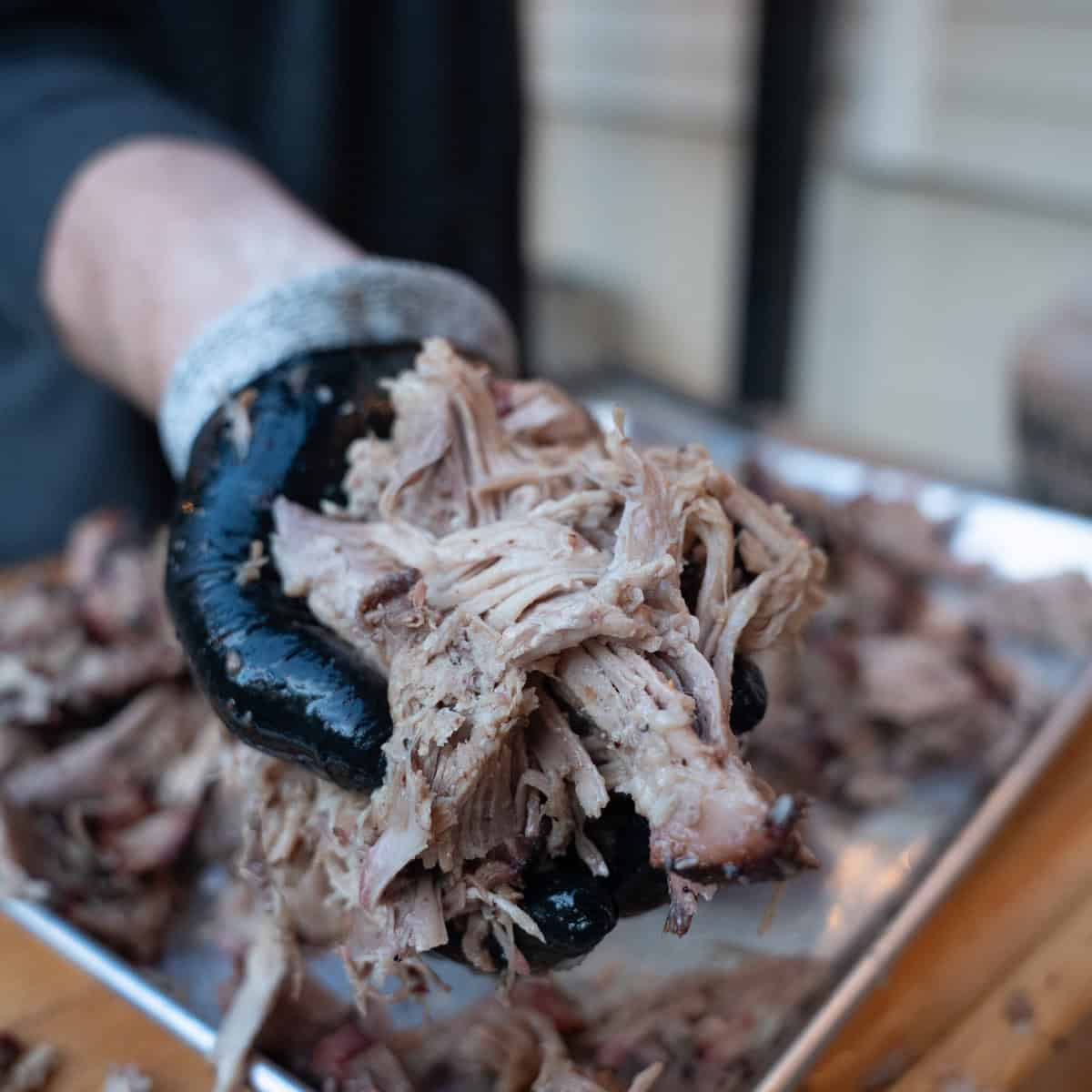
A lot of people will probably roll their eyes at the fact that I included a section on this, but I honestly think it’s helpful, especially for those newer to BBQ and grilling. You definitely want to let the pork butt rest before shredding it, both for moisture retention and practicality. I’ve found pork shoulder is easiest to shred once the internal temperature drops into roughly the 140–165°F range because it’s still hot enough to pull apart easily without being so hot that you burn your hands or lose excessive moisture.
Granted, if you’re in a rush, sometimes you just have to do what you have to do. But if you shred pork butt immediately after pulling it off the smoker, steam and rendered juices escape much more rapidly from the meat, rather than staying trapped inside the pork.
Can You Rest Pork Shoulder Too Long?
You can, in fact, rest a pork shoulder too long. And this question brings up an entirely different point. See, what’s more important than how long a pork shoulder rests is the temperature. If pork shoulder drops too low in temperature, food safety and texture can become issues.
When Is Pork Shoulder at Its Best After Resting?
Ideally, pork butt should stay above 140°F during long holding periods. That keeps it safe and at maximum tenderness. When the pork drops below that threshold, though, the bark softens and becomes mushy, the heat fades to the point where it no longer tastes fresh, and it’s likely to start drying out. Plus, when you drop below that temperature range, you’re in the temperature danger zone, and if the internal temperature stays there for too long, you run the risk of the meat becoming unsafe to eat.
Should You Rest Pork Shoulder Wrapped or Unwrapped?
This question can be polarizing depending on who you ask, but I believe there’s a time and a place for both methods. That being said, I’ll walk you through when it's best to go strictly wrapped vs. unwrapped, as both have their own benefits.
Wrapped Resting
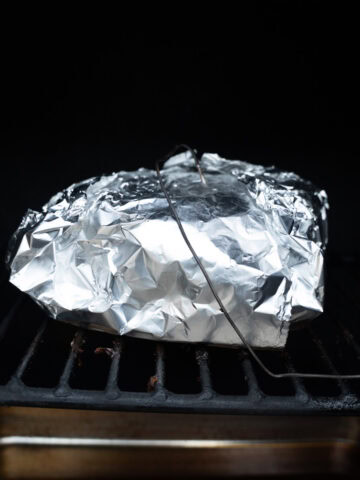
I like to rest a pork shoulder wrapped without letting it vent, really, under two conditions:
- When I need to hold a pork shoulder for an extended period of time, and I don’t want to lose any heat (such as when I hot hold a pork shoulder overnight when I’m resting the pork in a cooler), or
- When I wrap a pork butt later in the cooking process, typically around the 175-182°F mark, I know I’m at no risk of compromising the bark I worked so hard to form.
When I do this, I typically wrap it in aluminum foil, but I’ve got a whole breakdown of whether to wrap in aluminum foil or butcher paper in this post if you want a deeper dive into why I prefer it. I will add that if you’re looking to extend the holding time, aluminum foil will keep the temperature longer than butcher paper because it's more porous.
Unwrapped Resting
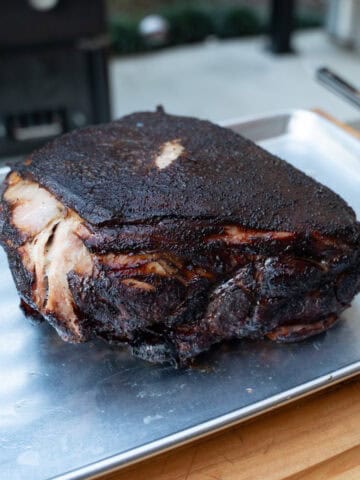
The only time I’ll really rest a pork shoulder unwrapped is when I’m behind schedule and water the pork shoulder to lose heat faster, or when I’m worried that I wrapped too early and keeping it wrapped will compromise the bark, which can be a concern, especially if you use aluminum foil to wrap it. If you’re in a hurry, this is the better option, though.
Should You Vent Pork Shoulder Before Resting?
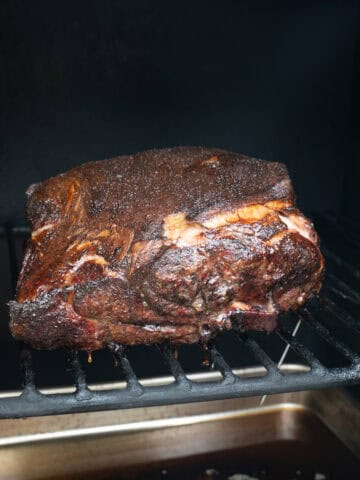
Personally, my preferred method in a perfect world is to unwrap the pork butt and “vent” it for ~20-30 minutes, then wrap it up and hot hold it either in an oven on the keep warm setting or in a cooler until I’m ready to serve it. I do that because it reduces carryover cooking while still retaining enough heat so I can hot hold it for several hours. It’s especially helpful to do this if you let the internal temperature rise up to the higher end of that 212°F range for pork shoulder that I mentioned earlier.
What Is the Best Internal Temperature Before Resting?
Before resting, pork shoulder should usually reach an internal temperature of 203–212°F. I’ve written a whole blog post about why I find this the optimal temperature for cooking pork shoulder, which you can find here.
How Much Temperature Does Pork Shoulder Lose While Resting?
Temperature loss depends heavily on how you are holding the pork shoulder, but I will outline what to expect with a few common options below:
Counter Resting
If you rest a pork shoulder uncovered on the counter, it will typically lose temperature fairly quickly. In many cases, the internal temperature can drop 20–40°F within the first hour, especially if you have already unwrapped the meat. This is usually the fastest way to cool a pork butt down enough to comfortably shred by hand, but it also shortens the window where the meat stays above serving temperature.
Cooler Holding
Cooler holding dramatically slows temperature loss and is usually my preferred method. When tightly wrapped in foil and insulated with towels inside a cooler, a pork shoulder can often stay above the serving temperature for 4–6 hours or longer. I’ve personally hot-held pork butts in a Yeti cooler for more than 12 hours before, while still keeping them sufficiently hot to safely serve.
Hot Holding in The Oven
If you need to hold pork shoulder for an even longer period, an oven or pellet grill set around 170–180°F works extremely well. Because the pork is held in a warm environment, the internal temperature drops much more slowly and can remain relatively stable for hours. This is probably the best option if you’re trying to finish a pork butt ahead of time and hold it until the next day without sacrificing tenderness or moisture.
Can You Rest Pork Shoulder Overnight?
As I mentioned in the previous section, you can hold pork shoulder for surprisingly long periods if you keep it properly insulated or in a heated environment. That said, if you plan to rest pork shoulder overnight, you’ll usually want something more reliable, such as a warming cabinet, oven, or a pellet grill set to 180°F or less. Cambro is the gold standard in warming cabinets, so make sure to check out their website if you think you’ll need those for a catering event or larger cooks.
This helps keep the pork safely above food-safe temperatures while continuing to gently tenderize the meat during the hold. While overnight holding is common in competition barbecue and restaurant settings, most backyard cooks will still get excellent results simply resting pork butt in a cooler for several hours instead.
Leave a Reply