
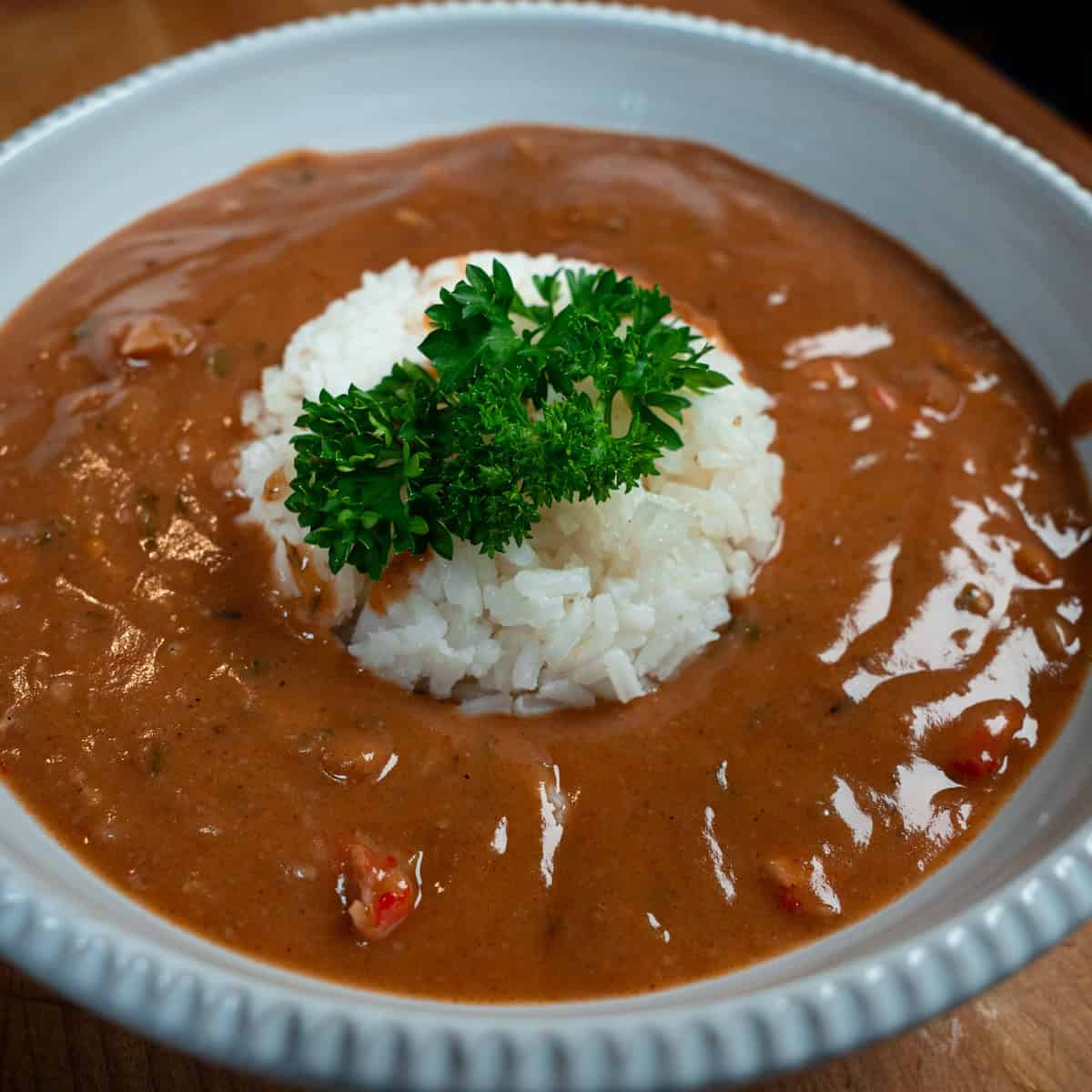
If you've ever wondered, "What does crawfish taste like?", you're not alone. For many people outside the South, crawfish remains a bit of a mystery—something they've heard about through stories from New Orleans, backyard boils, or food shows spotlighting Gulf Coast favorites. But ask anyone from Louisiana, and they'll tell you: the only way to understand crawfish is to experience it in a proper bisque.
I first tried crawfish about 15 years ago during college, when my buddies and I started hosting annual crawfish boils. We had fun with it, but back then, I didn't fully appreciate just how versatile and flavorful crawfish could be. That changed a few years ago when I made crawfish bisque for the first time. I hadn't cooked it before, but once I did, I realized why it's considered a true Southern delicacy. In this post, I'll walk you through how I make crawfish bisque at home—from the ingredients that matter to the cooking process that brings out the best in this iconic Gulf Coast dish.
Jump to:
The History of Crawfish Bisque in Louisiana

Crawfish bisque is one of the most revered—and labor-intensive—dishes in Cajun cuisine. It's not something you whip up on a weeknight, which is part of the reason it took me so long to try making it myself. Traditionally, bisque was a way to honor the whole crawfish, especially during crawfish season when the live crawfish meat was fresh and abundant. Families would clean and stuff the crawfish heads, then simmer them in a rich, velvety broth packed with flavor.
These days, depending on where you live and what's available, most home cooks—including myself—adapt the recipe. I typically skip the stuffed heads and use just the tail meat, which is easier to source and far more convenient to work with. It might not be 100% traditional, but it still captures the spirit of the dish—and delivers that deep, unmistakable taste of crawfish.
Crawfish have been a cornerstone of Gulf Coast cooking for a long time, especially among the freshwater crustaceans that thrive in Louisiana's bayous and marshes. While the method may change from cook to cook, the soul of crawfish bisque remains the same: crawfish, Cajun spices, and a slow-simmered base built on time, care, and serious flavor.
So... What Does Crawfish Taste Like?
Here's the thing: crawfish is often compared to shrimp or tiny lobsters, but it's got a character all its own. The best crawfish has a mild, slightly sweet, and almost nutty taste, with a soft texture that absorbs seasoning beautifully. The tail meat—which is what you use in most bisques (such as the one I'm writing about here)—is tender and rich without being chewy. When cooked right, it has a depth of flavor that's both delicate and bold, especially when paired with a dark roux or a hit of Cajun seasoning.
If it's your first time trying crawfish, bisque is an excellent choice because it introduces the flavor in a complex but approachable way. You get the sweet taste of the meat wrapped in a smoky, savory roux that's layered with vegetables, herbs, and spices.
Ingredients Highlights
To bring out the full flavor of crawfish, your ingredient list needs to be rock-solid. Here's what makes up a proper bisque:
- Butter and bacon lard – These fats are used to sauté vegetables and build a dark roux, adding richness and a deep smoky flavor.
- Flour – Combined with the bacon lard to create a thick, nutty roux that forms the backbone of the bisque's texture.
- Sweet onion, celery, green onion, scallions, and garlic – This mix forms the aromatic base, bringing sweetness, herbaceous notes, and a savory depth.
- Pureed crawfish tails and whole crawfish tail meat – The heart of the dish. The puree helps thicken the bisque while the whole tails provide meaty bites and a sweet, briny flavor unique to crawfish. If you can't find crawfish at your local store, the Louisiana Crawfish Company is widely renowned as the best distributor nationwide and has a great product. Every time I have it, the crawfish has been delivered in great condition.
- Worcestershire sauce and tomato paste – These add acidity, umami, and complexity to balance out the richness of the roux and crawfish. Tomato paste is more common in Creole cooking, but I find it truly enhances the dish.
- Bay leaves, thyme, black pepper, red pepper, cloves, and allspice – A carefully layered spice blend that adds warmth, herbal undertones, heat, and a subtle sweetness to round out the stronger flavor of the dish.
If you're using frozen crawfish meat, ensure it's fully thawed and drained to prevent diluting your base.
Step-by-Step Guide to Making Crawfish Bisque
Step 1: Make the Roux
In a Dutch oven or heavy-bottomed pot, combine bacon lard and flour over medium heat. Stir continuously until a medium-brown roux forms, about 30 minutes. This step is crucial to building the flavor foundation of your bisque.
Step 2: Sauté the Aromatics
While the roux cooks, melt the butter in a separate skillet and sauté the diced sweet onion and scallions until they soften. Season lightly with salt.
Step 3: Combine Ingredients and Build the Base
Once the roux reaches the desired color, stir in the sautéed onions and scallions. Add the celery, green onions, garlic, parsley, pureed crawfish, and water. Mix well to incorporate all ingredients.
Step 4: Add Seasoning and Simmer
Season with black pepper, red pepper, bay leaves, thyme, cloves, and allspice. Stir in Worcestershire sauce and tomato paste, adjusting to taste. Let the mixture simmer gently, allowing the flavors to develop.
Step 5: Add Crawfish Tail Meat
Fold in the whole crawfish tails and cook for an additional 5 minutes—just long enough to heat through without overcooking.
Step 6: Serve It Right
Ladle the bisque over a bed of warm cooked rice. Garnish with additional parsley or green onions for a bright, fresh finish.
Substitutions and Helpful Tips
Can't find fresh crawfish? Frozen tail meat is widely available and works just fine in bisque. You can also build your seasoning blend with paprika, cayenne, garlic powder, and salt -- it doesn't have to be overly complicated if you want to keep it simple. Making bisque from scratch may sound complex, but with a good step-by-step guide, it's entirely doable for a home cook. It's one of those dishes that teaches you patience and rewards you with next level flavor that you don't get with an everyday cook.
Serving Suggestions
The best way to serve crawfish bisque is hot, with a scoop of white rice in the center of the bowl, like I did in this recipe. Other traditional sides include skillet cornbread, collard greens, or fried okra. I also recommend adding a squeeze of lemon or a splash of vinegar-based hot sauce to help balance out the richness of the dish.
Interested in this dish? Check out my Easy Shrimp & Grits Empanadas or Grilled Steak with Buttery Crawfish Sauce!
How to Store and Reheat Crawfish Bisque
Crawfish bisque stores well and often tastes even better the next day, as the flavors have more time to meld. Once the bisque has cooled to room temperature, transfer it to an airtight container and store it in the refrigerator. It will stay fresh for up to 2-3 days. If you've already added rice to the bisque before storing, be aware that the rice may continue to absorb some of the liquid, resulting in a slightly thicker consistency upon reheating. For optimal results, consider storing the rice separately and combining it just before serving.
The bisque also freezes well for more extended storage. Once thoroughly cooled, ladle it into freezer-safe containers or resealable bags, leaving a bit of room for expansion. You can store it in the freezer for up to two months. If possible, freeze the rice separately to preserve its texture. When you're ready to reheat, thaw the bisque overnight in the refrigerator, then warm it gently over low to medium-low heat on the stovetop. Stir occasionally and avoid bringing it to a boil, as excessive heat can cause the crawfish meat to become rubbery and may alter the seasoning balance. If the bisque appears too thick, add a small splash of broth or water to restore its original texture.
For quick, individual servings, the microwave is also an option—use short bursts at medium power and stir between intervals to ensure even heating. Whether served fresh or reheated, crawfish bisque remains an intensely flavorful and satisfying dish that stands up well to time.
Recipe

Crawfish Bisque
Equipment
- Dutch oven
- saucepan
- Ladle
- Wooden Spoon
- Measuring cups & prep bowls
- knife
- cutting board
Ingredients
- 2 T butter
- 1 sweet onion diced
- ¼ C scallions minced
- Salt to taste
- ¾ C bacon lard + more as needed
- 1 C flour
- ¼ C green onions chopped
- ¼ C celery diced
- 2 T parsley minced
- 1 T garlic minced
- ½ lbs. finely chopped or pureed crawfish tails pre-cooked
- 1 ½ lbs. whole crawfish tails pre-cooked
- 2 qt. water
- ¼ teaspoon black pepper
- ¼ teaspoon red pepper
- 2 bay leaves
- 1 teaspoon dried thyme
- ¼ teaspoon cloves
- ¼ teaspoon allspice
- ¼ C Worcestershire sauce + more to taste
- ¼ C tomato paste + more to taste
- Rice cooked
Instructions
- Place a Dutch oven or large pot over medium heat and add the bacon lard & flour, mixing vigorously. The goal is to make a medium-brown roux, which took me about 30 minutes.
- Meanwhile, add butter to a hot skillet with the onions & scallions. Sauté until tender, seasoning with salt to taste.
- Add the sauteed onions & scallions into the roux once the desired roux color has been achieved, mixing until well coated. Next, pour in the celery, chives, garlic, parsley, pureed crawfish, spices and water. Mix until well incorporated. Add in the Worcestershire sauce & tomato paste for acidity, adjusting amount to taste.
- Finally, fold in the whole crawfish and continue cooking for about 5 minutes. Ladel the bisque over rice and serve. Enjoy!
Notes
- If using frozen crawfish tails, be sure they’re fully thawed and drained before adding to the bisque to maintain the right texture and concentration of flavor.
- The roux is key—take your time here to develop a deep, medium-brown color. It’s worth the extra few minutes for the payoff in flavor.
- Bisque can be made ahead and tastes even better the next day. Store rice separately to avoid sogginess.

Leave a Reply