
If you’ve spent any time around barbecue, chances are you’ve heard people talk about pork shoulder, pork butt, or Boston butt. And for good reason — pork shoulder is one of the most popular cuts of meat for smoking, slow cooking, braising, and making pulled pork. That’s because it’s affordable, packed with flavor, can easily feed a crowd, and is forgiving enough for beginners while still being a favorite among experienced backyard cooks. In this post, I’m going to break down everything you need to know about pork shoulder — what it is, why it’s so popular, and how to use it.
Jump to:
- What Is a Pork Shoulder?
- What’s the Difference Between Pork Butt and Picnic Shoulder?
- What Is Pork Shoulder Used For?
- What Does a Pork Shoulder Taste Like?
- How Much Does a Pork Shoulder Cost per Pound?
- Should You Buy Bone-In or Boneless Pork Shoulder?
- Interested in Learning More About Pork Shoulders? Check Out My Articles Below
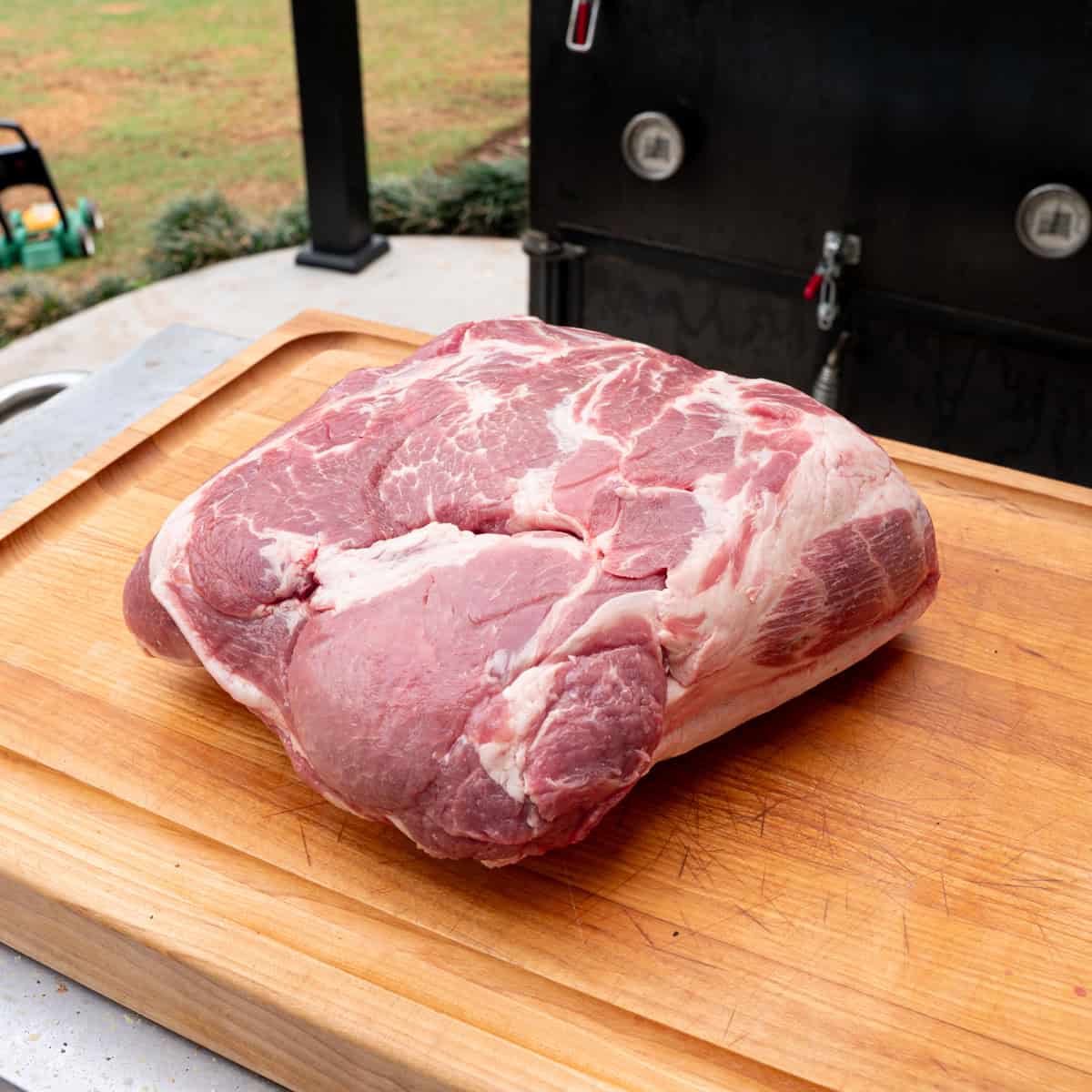
A pork shoulder is a cut of meat that comes from the upper front leg and shoulder area of the pig. It includes two different cuts called the Boston butt and the picnic shoulder. Pork shoulder is commonly used for pulled pork because the meat contains enough fat and connective tissue to become tender during long cooking sessions.
What Is a Pork Shoulder?
Pork shoulder is a large cut of meat that comes from the front shoulder of the pig. The shoulder is typically divided into two smaller cuts:
- Pork butt (also called the Boston butt)
- Picnic shoulder
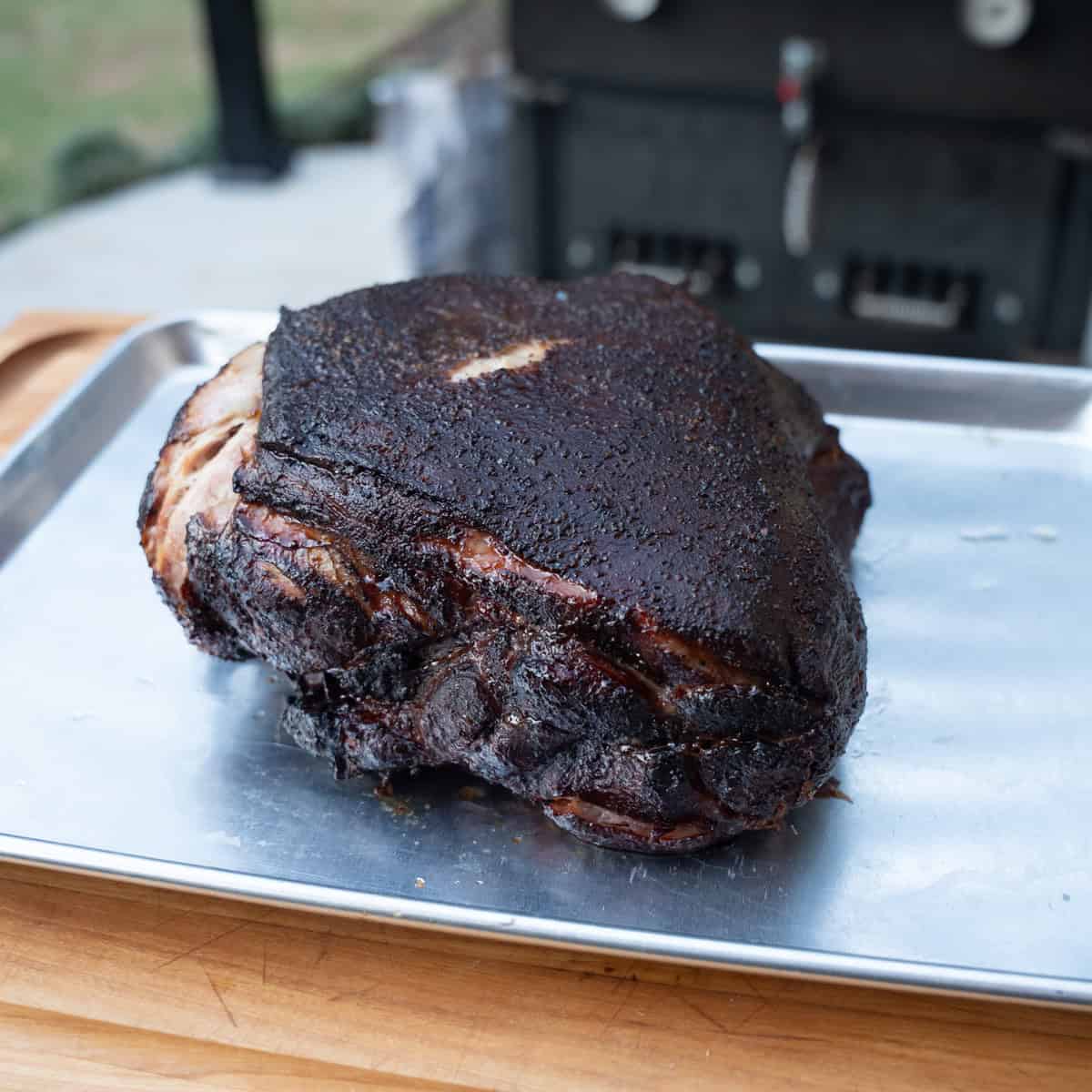
Together, these two cuts make up the full pork shoulder primal. Pork shoulder is one of the most popular cuts for BBQ (and the one I honestly gravitate towards the most), braising, sausage-making, and other traditional low-and-slow cooking methods because it contains a high amount of intramuscular fat, or marbling, along with plenty of connective tissue. That’s because the shoulder muscles of a pig work hard throughout the animal’s life, which causes that area of the pig to have more connective tissue than leaner cuts like pork loin.
That marbling helps keep the meat flavorful and moist during long cooks, while the connective tissue slowly breaks down into gelatin. As this happens, the meat becomes tender, juicy, and much easier to pull apart, which is exactly why pork shoulder has become a staple in barbecue.
Why Does Pork Shoulder Have So Many Different Names?
A lot of the confusion around what to call a pork shoulder really boils down to regional terminology and how grocery stores label the products. Depending on where you shop, pork shoulder might be labeled several different ways, even though it comes from the same general area of the pig.
Here are a few common names you’ll likely see at the store:
- Pork shoulder
- Pork butt
- Boston butt
- Picnic shoulder
- Shoulder pork butt
Truthfully, besides the picnic shoulder, I tend to use these terms pretty interchangeably, so keep that in mind as you continue reading.
What’s the Difference Between Pork Butt and Picnic Shoulder?
The biggest difference between these different cuts is where they come from on the shoulder and how they cook.
Pork Butt
Pork butt, also called Boston butt, comes from the upper portion of the shoulder and is the cut most commonly used for pulled pork. It has more marbling throughout the meat, which helps keep it moist and flavorful during long cooks. Pork butt also has a more compact, squared-off shape with a thick fat cap on one side, making it easier to smoke evenly compared to other cuts. Because of its higher fat content and uniform shape, people generally consider it more forgiving and beginner-friendly for barbecue.
Picnic Shoulder
The picnic shoulder is located on the lower portion of the shoulder, closer to the upper front leg. It’s slightly leaner than pork butt and has a longer, more tapered shape. While it contains less marbling, the picnic shoulder still has a rich pork flavor and a slightly firmer texture that works well for smoking, roasting, or braising. This cut is often sold with the skin still attached, which can add additional texture and flavor depending on how it’s cooked. That being said, knowing how to properly prepare that skin can be difficult if you don’t know what to do.
Is the Picnic Shoulder or Pork Butt better for Backyard BBQ?
For most backyard barbecue cooks, I recommend starting with a pork butt because it is just about foolproof, thanks to its high fat content, which makes smoking it as low-effort as a cook can come. Picnic shoulder still works well for barbecue, but it takes a little more skill to cook correctly, so I‘d start with a pork butt first for the average backyard BBQ cook.
What Is Pork Shoulder Used For?
Pork shoulder is one of the most versatile cuts of meat that you can cook. Whether you cook it as is, slice it up into cubes or steaks, or even sear it off for a crispier texture after it’s been on the smoker, it’s hard to go wrong. Here’s a few of my favorite ways to use it:
BBQ & Everyday Cooking Uses
- Overnight Pulled Pork
- Carnitas Tacos
- Cheesy Pulled Pork Griddled Sandwiches
- Direct Heat Pork Steaks
- Stew meat
- Pulled Pork Chili
- Stir fry
- Ground sausage blends
What Does a Pork Shoulder Taste Like?
Pork shoulder has a richer, more savory flavor than leaner cuts because it contains more fat. That fat also helps it stay moist longer in a serving pan, as long as it doesn’t get too cool.
What really makes pork shoulder shine, though, is when you smoke it. Doing so does two things to improve the flavor:
- It imparts wood smoke onto the meat.
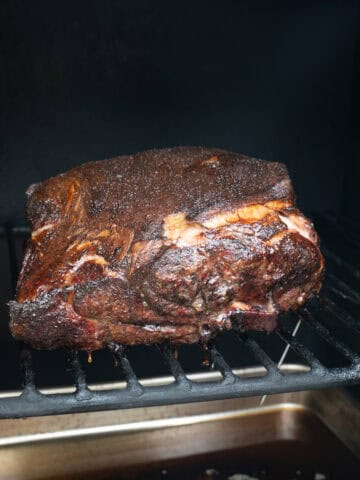
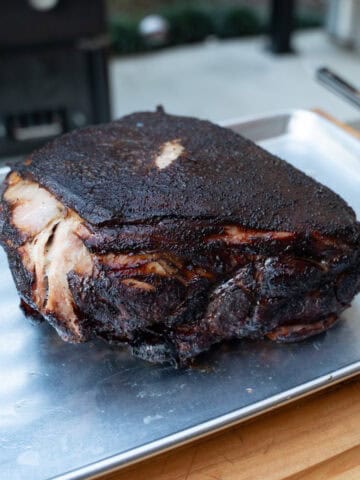
- Creates a dark crust on the outside of the pork shoulder known as bark that has a delicious texture for eating, while the inside stays tender enough to pull apart by hand.
What I find helpful when smoking pulled pork is seasoning it right after you shred it, then adding your preferred BBQ sauce. When you do this while the pork is still hot, the sauce gives the pork shoulder a “pork candy” flavor that pairs well with smoke, and the BBQ rub (ideally with some salt) helps amplify those flavors.
How Much Does a Pork Shoulder Cost per Pound?
Pork shoulder is usually one of the more affordable cuts of meat in the grocery store. As with everything else, prices vary depending on location, bone-in versus boneless, and overall pork prices.
But in most stores, they typically fall in this range:
- Bone-in pork butt: ~$1.50–$3.99 per pound at mininum. This will vary based on quality and whether a deal is in effect. These are what I prefer to buy, but unfortunately, I’ve noticed the prices are starting to go up, especially at the local butcher shops. You can find them cheaper at stores like Kroger and Publix, but they tend to be much smaller or of lower quality.
- Boneless pork shoulder: ~$2.29–$4.00 per pound. I tend to find these at Costco, sold in two-packs. They tend to be consistently at a reasonable price.
- Picnic shoulder: often slightly cheaper. I’ve seen them as low as $0.99-$1.29/lbs., which is hard to turn down, but they do take more work than the latter options.
How Much Will You Actually Spend on Pork Shoulder at The Store?
This will depend on the size of the pork shoulder you purchase and where you buy it, but I recommend planning to spend between $12 and $40. Keep in mind that wholesale retailers tend to offer better rates, but you might not get the exact product you’re looking for (i.e., bone-in vs. boneless — more on that in a second).
You can also purchase Specialty heritage breeds like Berkshire pork or premium butcher cuts, but keep in mind they will have a significantly higher price tag. They’re great, but for a cut this easy to cook and fatty, I find it overkill unless you have it readily available and easy to source near you (or unless you want it for a BBQ competition).
If you’re planning a cook for a large group, I’ve also put together a full breakdown of how much pulled pork to buy and prepare per person, if you want to take a look.
Should You Buy Bone-In or Boneless Pork Shoulder?
To be honest, I find them both to cook very similarly, and this decision boils down to personal preference. That being said, I prefer bone-in pork shoulders. The reason is that whenever I buy boneless pork shoulders, I find that whoever is removing the bone from the pork shoulders tends to butcher the hell out of the meat, and I wind up needing to tie the pork shoulder up with butcher’s twine for it to cook evenly. In comparison, I can literally throw a bone-in pork shoulder on the grill without even trimming it, and it will come out perfectly fine. It’s just less prep work.
Leave a Reply