
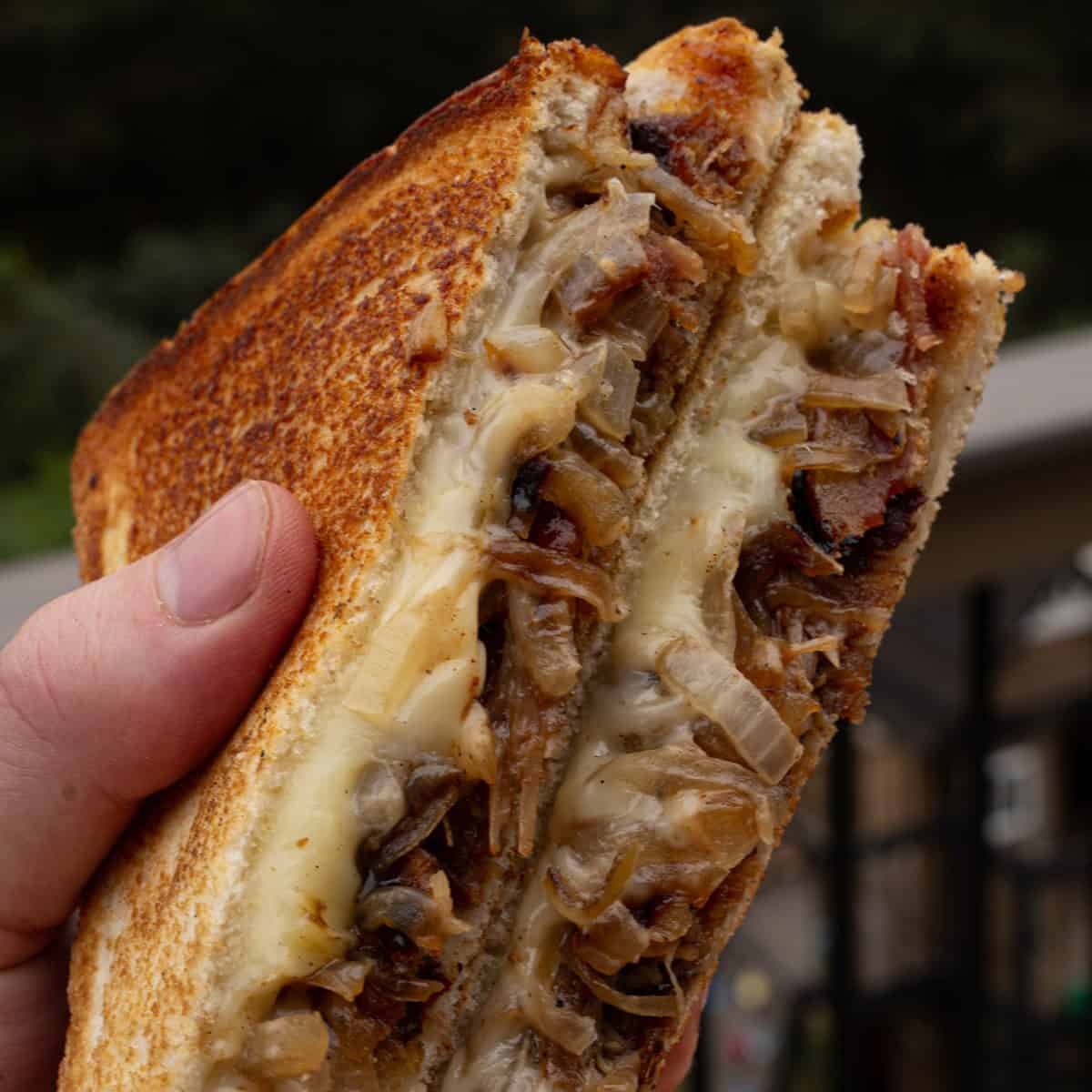
When you're planning pulled pork for a crowd, two questions always tend to come up: How much pork do I need? And how many sandwiches can I get per pound of pulled pork? Because let’s be real—there’s nothing worse than running out of meat halfway through a cookout.
My wife always says a cookout is like a wedding—what do people remember? The food and the alcohol. And while I can’t help you with the bar tab, I can make sure you properly account for the food. In this post, I break it all down—from calculating shrinkage and sandwich yields to scaling up for big groups with confidence (and still having plenty of leftovers for the next day).
Jump to:
A good rule of thumb is to expect about 3–5 pulled pork sandwiches per pound, depending on how heavily you build them. For most cookouts, I plan on roughly 4 sandwiches per pound of cooked pork—but don’t forget pork shoulder shrinks a lot during cooking, usually around 40%.
THE FIRST THING TO KNOW: PULLED PORK SHRINKS—A LOT
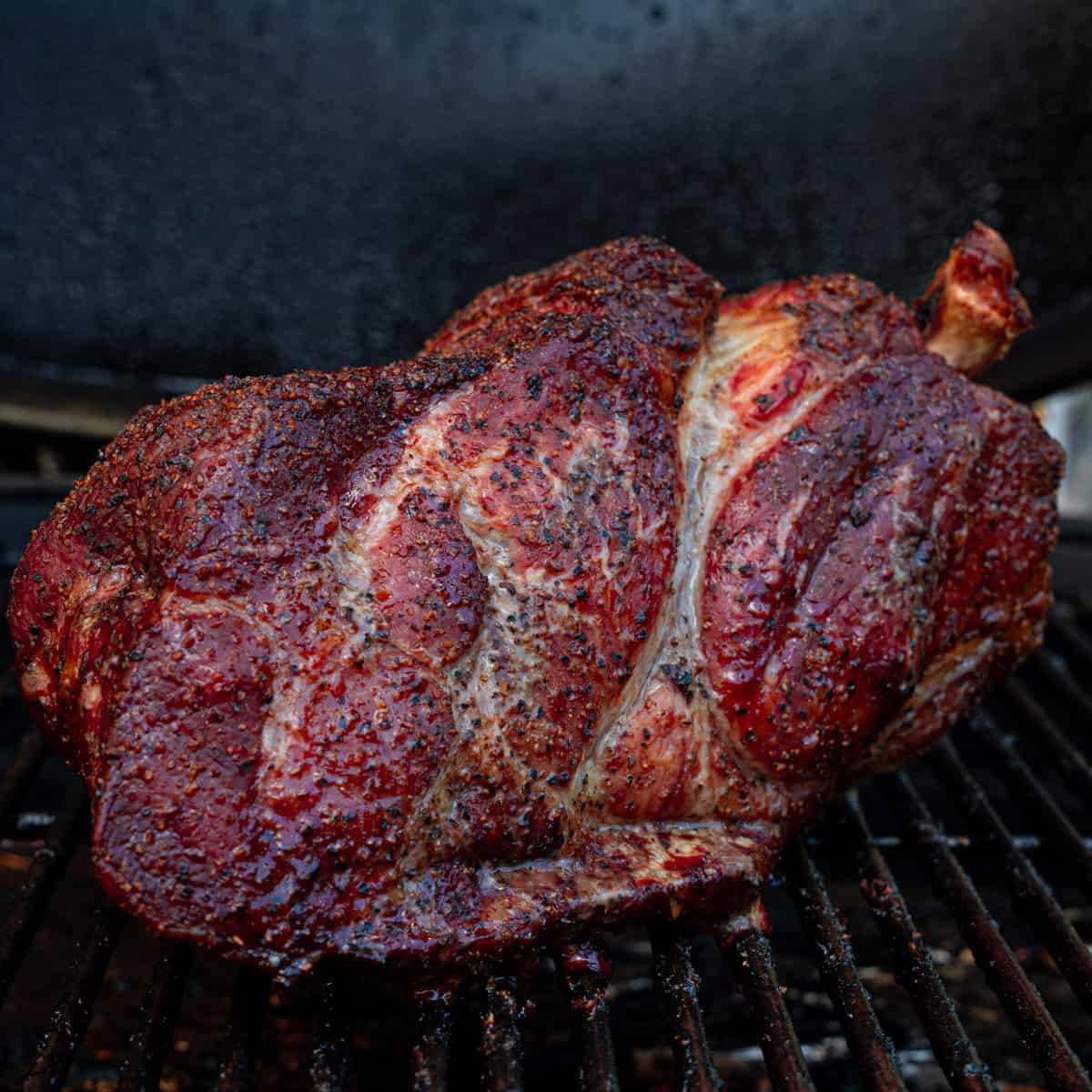
Before we discuss the number of pulled pork sandwiches you’ll get per pound, it’s essential to understand a key detail: meat shrinkage during cooking is very real, especially with a cut like pork shoulder (i.e., Boston butt). If you don’t factor it in, you’ll run short—and trust me, nobody wants to be the guy who runs out of pork halfway through a cookout.
HERE’S THE BREAKDOWN
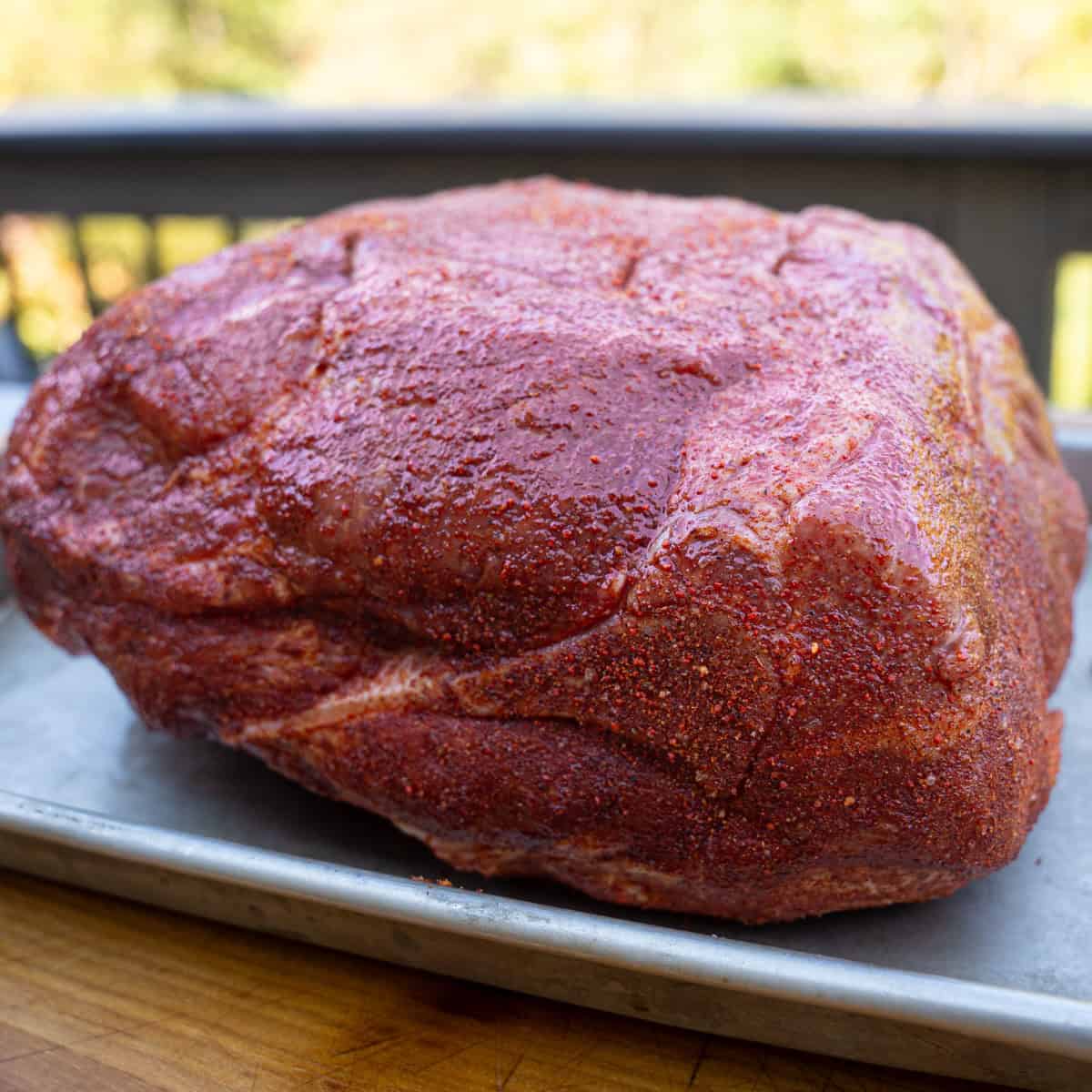
Raw pork shoulder (bone-in or boneless) loses about 30% to 50% of its weight during the cooking process. This reduction comes from three primary sources:
- Rendered fat: Pork shoulder is a fatty cut, and as it cooks, that fat melts away.
- Evaporated moisture: Just like any meat, pork loses internal moisture while cooking, even when wrapped or cooked in a slow cooker. This is why letting any cut of meat rest after cooking is important for retaining moisture.
- The bone: If you’re starting with a bone-in pork shoulder, that bone doesn’t end up in your sandwich pile. You'll need to take this into account.
SO LET’S PUT THAT IN PERSPECTIVE
If you start with 10 lb butts, you’ll usually finish with around 5 to 7 pounds of cooked pulled pork once it has been entirely rendered, shredded, and trimmed.
That’s why you always plan for yield, not just the raw weight. Whether you're cooking in a smoker, slow cooker, or oven, this shrinkage rate is pretty consistent. If you're starting with boneless pork shoulder, you might recover a bit more meat, but you’ll still lose a significant amount to fat and moisture.
If you’re the planning type, knowing this upfront helps you buy and cook the right amount of meat without going overboard—or worse, coming up short.
HOW MANY SANDWICHES PER POUND OF PULLED PORK?
Alright, now to the main question: how many sandwiches does one pound of pulled pork make? The short answer is it depends on how generous you are with your portions, but here’s what that may look like (taking into account fully cooked pulled pork):
- Light serving (3 oz): Yields about five sandwiches per pound
- Average serving (4 oz): Yields about four sandwiches per pound
- Heavy serving (6 oz): Yields about 2.5 sandwiches per pound
To be on the safe side, a good rule of thumb is to plan for ⅓ to ½ pound of cooked meat per person, especially if pulled pork is the main dish. That means:
- For smaller portions or when serving a variety of side dishes, consider ⅓ pound per person.
- If your guests are hungry, or if pulled pork is the only main, ½ pound per person is safer.
But don’t forget—you’re starting with raw pork. You have to do some math to account for shrinkage. Here’s an example of what that looks like in actual planning so that you can make the best decision for your expected number of guests.
EXAMPLE PLANNING GUIDE (ASSUMES 40% SHRINKAGE):
- For 10 guests, plan on 5 to 7 pounds of raw pork per person. That’ll give you roughly 3 to ~4 pounds of pork butt, which comes out to about 12 to 16 sandwiches.
- For 25 guests, you’ll need 12 to 18 pounds of raw pork. After shrinkage, you're left with ~7 to 11 pounds of meat—enough meat for 28 to 43 sandwiches, depending on how heavily you stack them.
- For 50 guests, plan to use 25 to 36 pounds of raw pork. That should yield ~15 to 21 pounds of finished product, sufficient for 60 to 86 sandwiches. This guarantees everyone gets at least one hearty sandwich, with some cushion for second helpings or a few leftovers (which reheat beautifully, by the way). If you’re using pulled pork for sliders instead of standard-sized sandwiches, you’ll stretch it further—sliders are usually 2–2.5 oz of meat. That bumps your yield closer to 6–8 sliders per pound of cooked pork.
SERVING TIPS FOR A LARGE CROWD
When feeding large gatherings, planning ahead is essential. Whether you’re prepping for a game-day tailgate, backyard barbecue, or graduation party, keeping things organized and simple is the key to stress-free serving.
HOW TO MANAGE YOUR PULLED PORK
Start by keeping your pulled pork warm. After smoking and shredding the meat, transfer it to a slow cooker set to the “warm” setting (many pellet grills can do this nowadays), or keep it in a pan covered with aluminum foil in the oven at around 180°F. To help retain moisture, add a splash of broth, apple juice, or even barbecue sauce while it rests if it will be sitting there for a while. If you have a Cambro box, even better.
I tend to take the poor man's approach on this and store my BBQ wrapped in a cooler until serving time, after letting it sit out at room temperature for a little while. However, the cooler method is unlikely to be an option if you're serving a larger crowd. If you're serving for an extended period, these small additions help keep as much meat as juicy as possible, preventing it from drying out under heat.
HOW TO PREPARE YOUR SERVING AREA
Next, set up a simple sandwich bar. Lay out white bread, soft rolls, or hamburger buns alongside a few topping options—think sliced pickles, jalapeños, shredded cheese, and two or three sauces (a sweet BBQ, a vinegar-based sauce, and maybe a spicy one for good measure). Labeling toppings and sauces helps keep the line moving and allows guests to customize their sandwiches without confusion.
Don’t forget the sides. Options like my creamy macaroni and cheese or Memphis-style coleslaw make for a complete meal. That’s a great way to stretch your pork further without sacrificing satisfaction. These not only round out the plate but can also help stretch your meat portions further if you’re trying to feed a large crowd on a budget.
TIPS FOR SERVING LARGER GROUPS
For groups of 25 or more, pre-portioning your pulled pork is the best way to go. Once the pork is shredded, divide it into portions of 1 to 1.5 pounds and seal them in airtight containers or vacuum bags. This makes it easier to manage when reheating in batches or when staggered serving times are expected. It also allows you to keep some portions warm while others stay refrigerated or frozen until needed.
When it's time to serve, having tongs and simple signage (like “1 scoop = 1 sandwich”) can help guests portion their food responsibly. You don’t need to be rigid about it, but establishing expectations helps make sure there’s enough to go around.
And if you end up with leftovers, there are numerous ways to put them to good use. Pulled pork is one of those rare BBQ meats that keeps pretty well. Whether you’re turning it into tacos the next day or tossing it in with mac and cheese, you’ll be glad you made a little extra. Here are three easy options that I love to use leftover pulled pork with:
- Smoky Pulled Pork Chili
- Cheesy Pulled Pork Sandwiches with Sautéed Onions and Bacon
- Cheesy Pulled Pork Sandwich with Pickled Jalapenos
STORING LEFTOVER PULLED PORK
Once the event winds down and you’re gathering your leftover pulled pork, it’s worth taking a little extra care with how you store it. Proper storage makes sure that all that flavor and effort doesn’t go to waste—and that your leftovers reheat with as much of the same juicy, tender bite as they had when they came straight off the smoker.
LET THE PORK COOL BEFORE STORING
Let the pulled pork cool slightly before storing. Don’t leave it out too long—ideally no more than two hours (this is the maximum limit before food starts to enter the temperature danger zone. Ideally, you don't want the internal temperature of the meat to drop below 140 degrees.)—but do allow it to come down from piping hot before sealing. This prevents steam from building inside your container, which could make the meat soggy or accelerate spoilage.
REFRIGERATING PULLED PORK
For short-term storage, transfer the meat to an airtight container or resealable bags and place it in the fridge. It’ll stay fresh for up to four days. If you’re storing a larger batch, consider breaking it down into smaller containers so you only need to reheat what you’ll use at a time. Pouring a splash of apple juice, broth, or BBQ sauce before storing helps lock in moisture and ensures better results when reheating.
FREEZING PULLED PORK
For longer-term storage, the freezer (and ideally a vacuum sealer) is going to be your best option. Pork freezes beautifully as long as it’s packed well. Vacuum-sealed bags are always a good idea, but heavy-duty freezer bags will also suffice. Press out as much air as possible to avoid freezer burn. Properly stored, pulled pork will remain fresh in the freezer for approximately three months. Label each bag with the date and portion size—it’ll save you some guessing later on.
REHEATING FOR BEST RESULTS
When it’s time to bring that pork back to life, reheat it in a covered pan in a 300°F oven until warmed through, adding a little liquid to maintain moisture. For stovetop reheating, use a covered pan over low heat and stir occasionally to prevent burning. If you’re working with a small portion and need speed, the microwave works—make sure to cover the pork and add a touch of moisture, heating in 30-second bursts and stirring in between. For the best chance of reviving the bark, try finishing the pork under the broiler for a minute or two, crisping it in an air fryer, or cooking it in a hot skillet.
Leave a Reply