

Introduction
There's nothing quite like the smoky flavor of using smoker pellets. Whether you're a weekend warrior firing up your grill or a seasoned pitmaster experimenting with different flavors of pellets, the right pellets can elevate your BBQ game to the next level. But how long do smoker pellets last? Understanding the shelf life, pellet consumption, and storage techniques becomes essential as you work toward perfecting your cooking temperature and discovering the best pellets for your tastes.
I remember my first go around into pellet smoking: I bought a standard 20-pound bag of Traeger Oak-flavored pellets, stored it in the garage, and didn't think twice. A few weeks later, I discovered that damp pellets and fluctuating weather conditions led to uneven burns, disappointing smokey flavor, and excess ash buildup in the smoke chamber. If you've ever wondered why some pellets burn smoothly while others fizzle out, it often comes down to how you store them and the quality of the pellets.
In this guide, I'll explore everything from different types of wood pellets to the fuel source required to achieve the proper cooking process for each dish. I'll also touch on charcoal, gas, and electric grill setups for those who enjoy variety. Let's explore how long smoker pellets last and how to keep them in top condition for your next smoking session
What Affects Pellet Lifespan?
Moisture Content & Storage
Proper storage in airtight containers is crucial. Pellets stored in a dry place will maintain their density and provide a consistent heat source, making them perfect for various cooking styles—from low and slow smoking at low temperatures to searing at high temperatures. The possibilities are endless, and it's up to you to get creative with your cooking.
- Airtight Containers: These help prevent your pellets from absorbing excess moisture. Most pellet grill brands offer storage containers from Oklahoma Joe's, which I use. However, a Lowe's or Home Depot bucket is significantly cheaper and works fine.
- Location: Keep your pellets in a garage, shed, or covered area away from extreme heat or cold weather.
- Regular Maintenance: Inspect your pellets to determine if they've been stored too long or exposed to harsh conditions.

Pellet Quality & Composition
Not all wood products are created equal. Natural hardwood pellets yield a more robust smoky flavor, and food-grade pellets are specifically designed for cooking. The best wood pellets typically come from brands that use minimal fillers. This can affect both taste and burn rate.
- Fillers or Binding Agents: Lower-quality pellets might contain additives that affect how well they burn.
- Flavor Varieties: Cherry pellets, pecan pellets, or a signature blend can give your meats distinct aromas, and the quality of raw materials matters. Don't be afraid to experiment with different flavors to create unique, flavorful smoke for your cooking sessions.
Weather Conditions
Temperature swings or extreme heat can degrade pellet quality over time, especially if you store wood pellets outdoors. Even if they're in a sealed bag, repeated exposure to hot and cold cycles can affect their lifespan. If you live somewhere with drastic weather conditions, monitor your pellet stash regularly.
How Many Pellets Do You Need?
Understanding pellet consumption is key to planning your cooking hours. Generally, a smoker set at low temperatures (around 180-225°F) will use fewer lbs of pellets per hour than one cranked up to a high temperature (over 400°F). This burn rate varies by brand and smoker model, but here's a rough guide:
- Low and Slow (180-225°F): ~1 lb of pellets per hour
- Medium Heat (250-350°F): ~1.5 lbs of pellets per hour
- High heat (400°F and above): ~2 lbs of pellets per hour
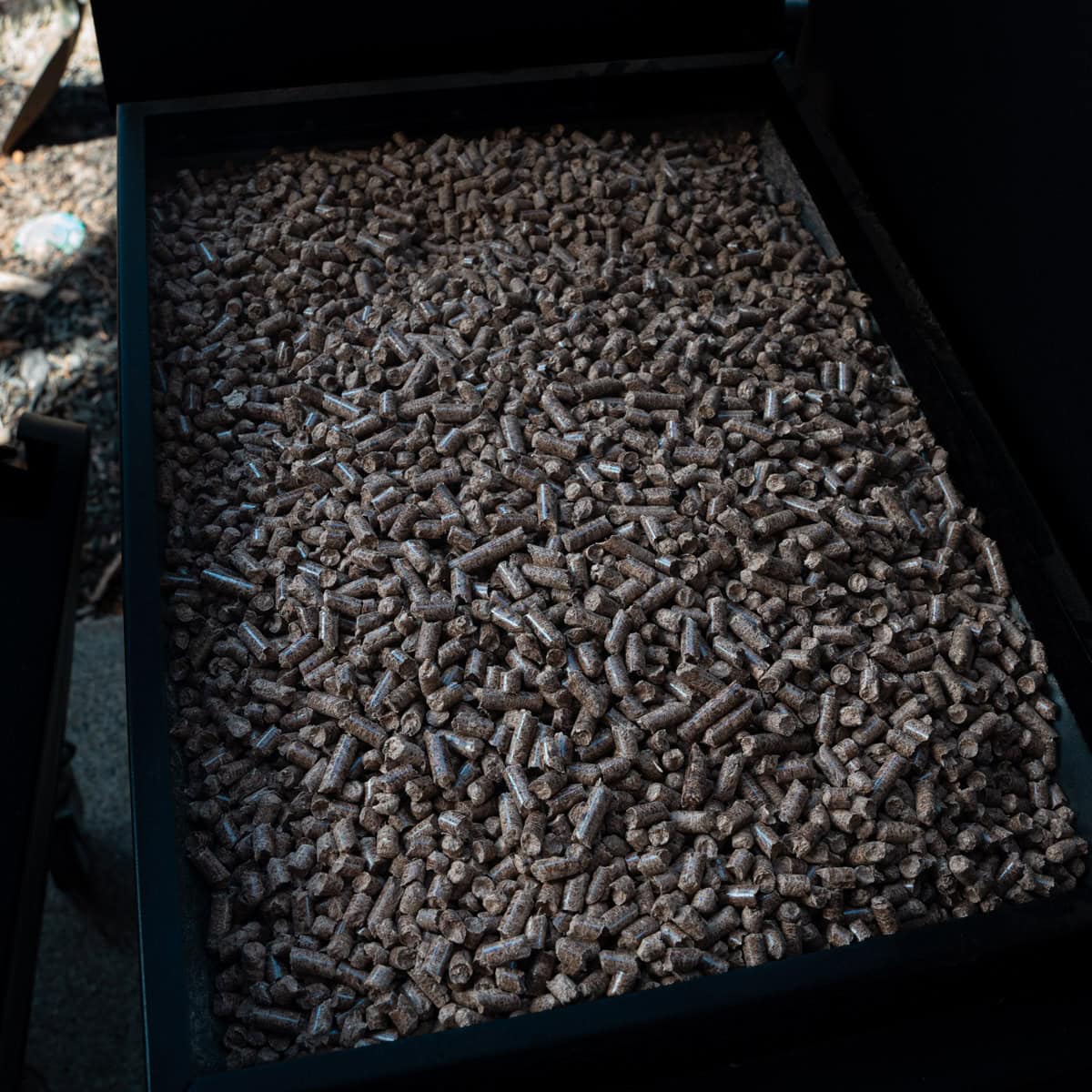
So, that 20 lb bag of pellets might last you anywhere from 10 to 20 hours of cooking time, depending on your heat setting and the overall cooking area. If you cook a beef brisket for 12 hours, you'll burn through more than if you're quickly smoking wings for a couple of hours.
Selecting the Right Equipment
While pellet smokers are designed to work optimally with pellets, you can also use wood chips or BBQ pellets in other grills, such as charcoal or propane grills, to enhance flavor if you have a smoker tube for pellets or a smoker box for wood chips. However, a wood pellet grill like a Pit Boss pellet grill or one of the Timberline ranges from Traeger grills are engineered for consistent temperature control. You'll experience fewer temperature swings, better temperature control work, and more predictable pellet consumption.
- Traeger App & Series Models often include a set temperature variable feature you can control from your phone, giving you more precise management of your fuel source.
- Z Grills, Oklahoma Joes, and Pit Boss Grill are known for affordability and reliability. They are often a good choice for intermediate users who want to learn how to manage a range of cooking temperatures.
- Portable Pellet Grills are great for camping or tailgating but remember you might have limited cooking space.
Common Mistakes & Maintenance
- Leaving Pellets in the Hopper: If you're not cooking for a while, remove the pellets and store them properly. Otherwise, they could absorb humidity over time.
- Using Heating Pellets vs. Food-Grade Pellets: Heating pellets are meant for wood-burning stoves, not cooking. Always use food-grade pellets designed for grill use.
- Ignoring Weather Conditions: Avoid storing pellets outside in harsh conditions.
- Skipping Regular Maintenance: Clean out old ashes, check the fire pot, and ensure no buildup could cause temperature inconsistencies. Besides inconsistent temperatures, ash buildup will cause your smoker to take significantly longer to reach the desired temperature range, which is a pain. It could also cause equipment to malfunction, leaving you without a pellet grill until you resolve the issue. Regular maintenance ensures your grill and pellets are in top condition.
Pro Tips for Long-Lasting Pellets
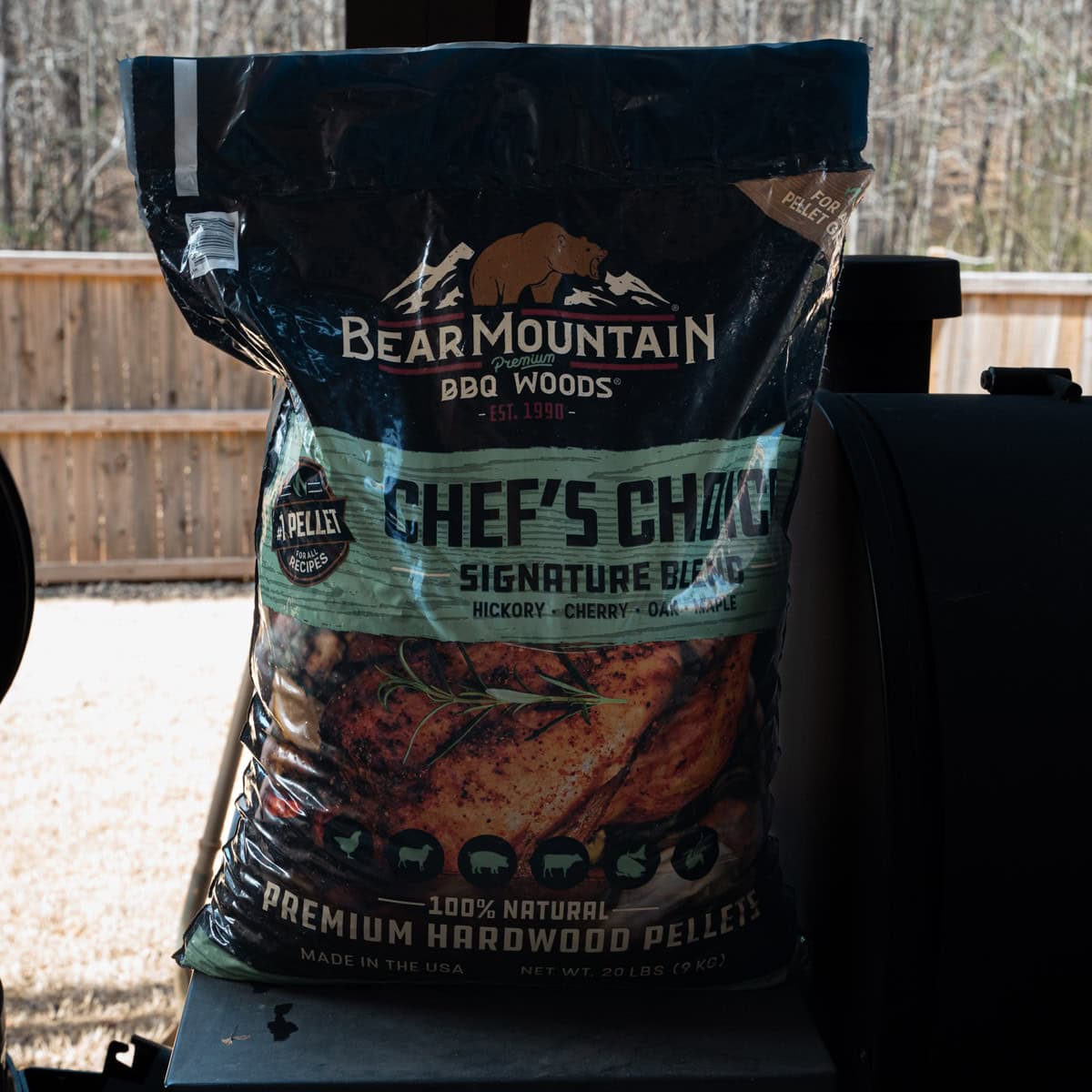
- Buy High-Quality Pellets: Look for brands that specify "100% hardwood" on the label. I use Bear Mountain BBQ pellets and have had a great experience. They also come in a wide array of flavors.
- Mix & Match Flavors: Trying different pellet flavors—like a mix of cherry and pecan pellets—can produce unique, flavorful smoke for your cooking sessions. I tend to gravitate towards pecan and hickory, which have a stronger flavor profile.
- Monitor Your Burn Rate: Monitor how many lbs of pellets you go through per hour at various heat levels. Keep a note in a journal or on your phone. This is a great way to have a better idea how long a bag of pellets will last in the future.
- Check Shelf Life: The lifespan of your pellets varies, but most can last several months if stored correctly in a dry place.
- Consider a Backup Fuel Source: If you also own a propane or gas grill, you can switch mid-cook if you run low on pellets in a pinch. In the worst-case scenario, don't risk losing the cook and throwing the meat in the oven.
Wrapping Things Up
So, how long do smoker pellets last? With proper storage and mindful usage, a standard 20-pound bag of pellets can fuel multiple cooking sessions—often giving you anywhere from 10 to 20 hours of rich, smoky flavor. The best way to ensure a long run is to keep them dry, invest in high-quality or best wood pellets, and regularly inspect for moisture content. By mastering these simple steps, you'll enjoy consistent heat, minimal temperature swings, and the best results for everything from beef brisket to a quick set of smoked ribs.
Remember that the correct storage practices and temperature management can make all the difference, no matter the brand or flavor of pellets you enjoy using the most. With a bit of attention to detail, you'll be on your way to delivering mouthwatering dishes at any temperature range—and always impressing your friends in the process.
Leave a Reply