
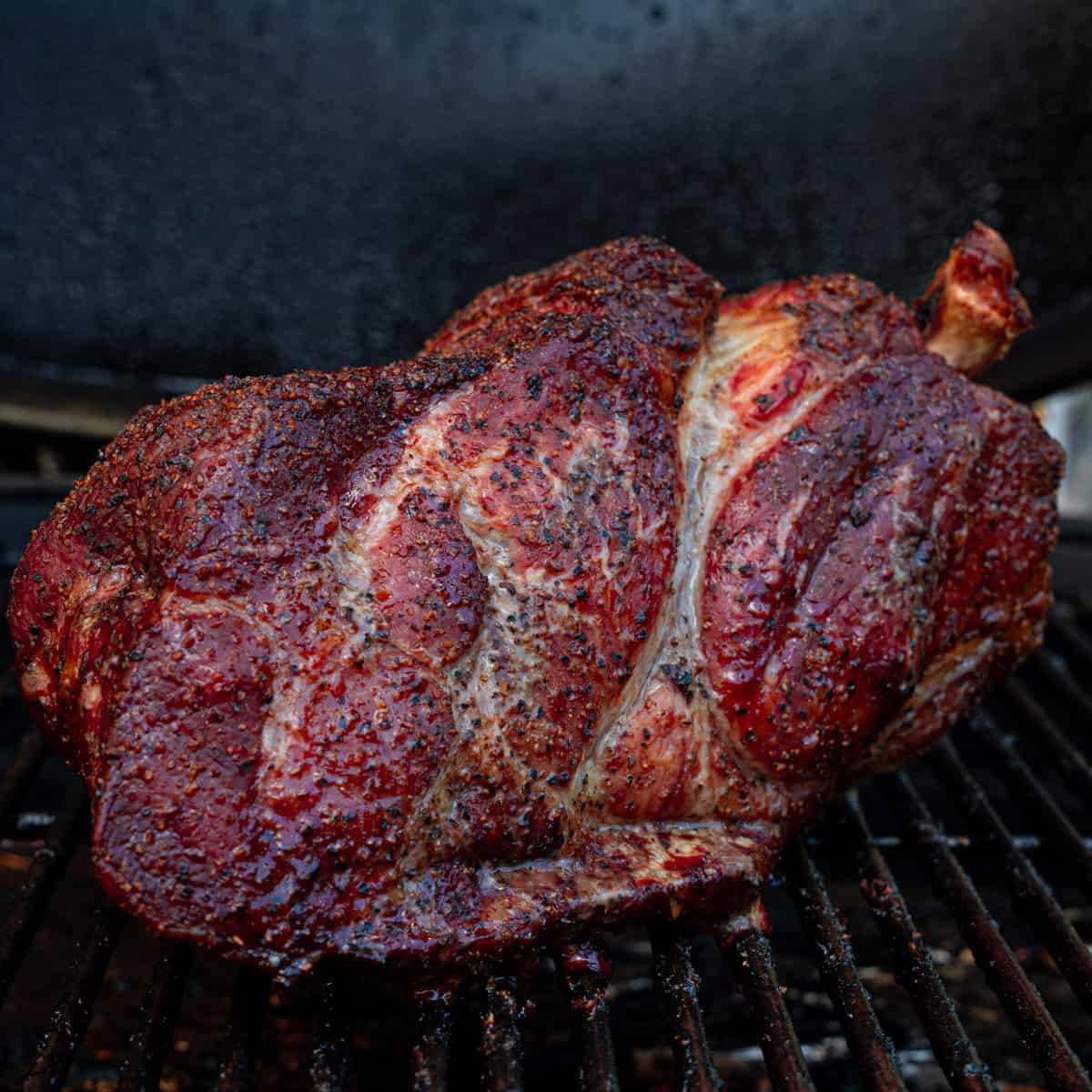
If you’ve ever been interested to learn what wood is best to use when smoking pulled pork, I can promise you you’re not alone. Let’s face it, there is an endless supply of information (and marketing) out there and plenty of people with opinions. Should you choose wood chunks or splits, or are pellets the best? What variety of wood provides the best flavor? And the question we’re tackling today — How do you pick the best wood for pulled pork? From sweet fruit woods with subtle flavors to bolder hardwoods, I'll break down the differences so you can decide which is best for you.
Jump to:
What is The Best Type of Wood for Smoking Pork Shoulder?
Before getting into specific wood types, it’s worth saying this up front: the best wood is the one you can actually get your hands on. It’s the same idea you hear in sports—availability matters. I might tell you hickory is my go-to, but if it’s hard to find where you live or costs twice as much, that doesn’t really help you. At the end of the day, you’re better off using something that’s easy to find and affordable so you can cook consistently.
From there, it really comes down to the kind of smoke flavor you prefer. If you want something lighter and more subtle, fruit woods like apple or cherry are a good place to start. They burn a little more quickly and don’t overpower the meat, keeping them as a solid option for shorter cooks.
If you’re after a stronger, more traditional smoke profile, hardwoods are usually the move. Woods like hickory, oak, and pecan burn longer and give you a deeper flavor, which is why I tend to lean toward recommending them for things like pulled pork. With that in mind, I’ll break down the most common wood types and what they bring to the table so you can figure out what works best for how you like to cook.
Fruit Woods
Apple
Apple is an excellent option after a gentle, sweet smoke. It burns moderately, making it well-suited for low-and-slow cooking methods. Apple orchards are common in the Northeast and Pacific Northwest, so they’re relatively easy to find in those regions.
Cherry
Cherry wood is known for imparting sweetness and a rosy tint to pork. It offers a mild smoke flavor without masking the rub or marinade. Its burn rate is moderate so that you can expect steady heat over a typical wood smoking session—ideal for a well-balanced sweet-and-savory profile. If I use a fruit wood, this is what I go with the most. Oftentimes, I'll pair it with a hardwood for a mixed flavor profile.
Peach
Popular in areas with peach orchards (especially Southern states), peach wood produces a light, fruity aroma. It burns moderately slowly, which pairs nicely with extended cook times. Peach isn’t commonly sold in grocery stores nationwide, so sourcing might be challenging if you can't find it nearby.
Pear
Pear wood provides a gentle sweet smoke, somewhat akin to apple but with a softer fruity edge. It burns at a moderate rate, leaving it suitable for longer cooks like smoking pork butt. While not as widely available in grocery or hardware stores, it can often be sourced from orchard trimmings in areas where pear trees are common.
Plum
Plum wood delivers a slightly more decadent sweetness than apple or pear, leaning toward a medium-intensity smoke profile that suits the natural richness of pork. It burns moderately slowly, offering steady heat for a typical low-and-slow session. Plum may be harder to find outside of specific orchard-heavy areas, but it’s a unique option to explore if you can get it.
Orange & Other Citrus Woods
Orange, lemon, grapefruit, or other citrus woods impart a bright, tangy character to the smoke. Citrus wood burns at a moderate to fast rate, so you may need to replenish it often in prolonged cooks. These wood types are typically most abundant in warmer, citrus-growing regions (such as parts of Florida or California). They can add a mild zest to pork, but because of their distinct aroma, many prefer blending citrus with a more neutral hardwood for a well-balanced flavor.
Hardwoods
Hickory
Possibly the favorite wood for many pitmasters and home cooks (myself included), hickory wood is known for a pronounced, strong flavor and slow to moderate burn rate. It can become bitter if overused, but in moderation, it’s an excellent option for big cuts like pulled pork or brisket. Commonly found in several regions from the Midwest to the Appalachian regions. I most commonly associate BBQ with this, as it's what I grew up on, with the BBQ I had in Alabama and Georgia.
Oak
Considered one of the best types of wood for pork: it burns at a slow, steady rate and offers a medium-intensity smoke. Often available nationwide, oak produces a consistent burn time and pairs well with all types of meat. It’s also reasonably easy to manage for beginners since it rarely over-smokes. This is a classic option in Texas BBQ.
Maple
This wood tends to be a milder hardwood, offering a mild sweetness. It burns moderately, though it’s less typical for pulled pork than apple or hickory. But if you live in a region known for maple trees, giving your final product a unique twist might be a good option.
Mesquite
Known for being a stronger wood with an earthy flavor, mesquite burns hot and fast—some say it’s best for quick cooks or used in small doses for large cuts. A lot of people associate mesquite with beef, but if you love a bold bite, you can be combine it with milder wood chips for a layered effect. Mesquite wood is slightly overpowering for my taste, so I don't use it often.
Pecan
A lot of people describe pecan wood as a cross between the subtlety of fruit woods and the bolder nature of hickory. Although it does produce nuts, it's still under the hickory "family tree". It has a gentle, nutty undertone and is widely available in the South. It generally burns moderately, making it convenient for longer smokes. Many consider pecan a personal preference that offers a sweet yet unique flavor, ideal for significant cuts like pork butt. This is one of my favorites to use, and I've had great results with it.
Alder
Alder is a mild hardwood that is typically more available in the Pacific Northwest and is a typical choice for seafood and poultry—but it can work surprisingly well with pork, too. Because it offers a clean, neutral wood smoke, alder won’t overpower the natural richness of a boston butt or pork shoulder, lending a gentle woodsy aroma without heavy bitterness. If you’re seeking a lighter, more delicate flavor profile, alder is a solid option that burns moderately and pairs nicely with fruit woods like apple or cherry for a layered, more complex taste.
Different Forms of Wood
Before you commit to a particular species, it’s also essential to think about the form in which your wood is available and what you need for your smoker—logs/splits, chunks, chips, or pellets—and how each affects burn times, flavor intensity, and overall convenience.
Logs or Splits
Logs (or splits) deliver the most authentic, old-school barbecue experience, imparting a deep, wood-fired flavor while burning for an extended period—making them highly effective in large offset smokers. On the flip side, they require a bigger smoker or a large firebox, and controlling heat can be trickier due to the larger fuel volume and the accompanying temperature swings. Logs and splits also might be hard to come by if you don’t have a local supplier, so sourcing can pose a challenge outside major barbecue regions.
Personally, I’ve had a lot of success getting wood splits through Facebook Marketplace, though it can be hit-or-miss depending on who you work with. If you want to spend a little more money, you can go with a bigger brand like Cutting Edge Firewood, but just be aware that many of those bigger brands kiln-dry their firewood, which can make it burn faster because it has less moisture. The one thing I would definitely recommend avoiding is buying smaller batches of wood splits from local retailers or grocery stores. It’s convenient, but they really jack up the price on those for minimal amounts of wood.
Wood Chunks
Wood chunks occupy a practical middle ground: they’re simpler to manage than full logs but still provide a long, consistent burn. Their size usually suits a range of smoker styles, from traditional offsets to kamado-style grills, and they’re well-suited for lengthy cooking sessions (like pulled pork). However, you may need to add more chunks periodically to maintain your desired smoky flavor, depending on what type of smoker you're cooking on, and variations in chunk size can affect how uniformly they burn. These are widely available at local retailers and grocery stores, so procurement shouldn't be an issue. I use chunks most often at my house because of this.
Wood Chips
Wood chips are widely available—I see them often in grocery stores, hardware outlets, and online. They are also easy to add to most charcoal, electric grills, or smokers when you want a relatively quick burst of smoke. The main drawback is their rapid burn rate: they can deplete fast at higher temperatures, making them less ideal for an extended, overnight smoke unless you’re willing to wake up periodically to replenish them. Because of this, chips are best suited for shorter or daytime cooks on a grill where you can monitor and refresh them without a hassle.
Pellets
Pellets are the go-to fuel for pellet grills that regulate temperature and automatically feed pellets for consistent heat. This system offers minimal babysitting—ideal, especially for beginners. The downsides are that pellets can be pricier, and you’re primarily tied to a pellet-specific grill if you want the convenience of a self-regulating, “set-and-forget” process. Plus, you do not get as much smoky flavor from pellets as you would from any other kind of wood, whether you purchase hardwood or softwood pellets.
I didn't realize how big a difference there truly is for the longest time, but after doing a side-by-side comparison a few years back, I was blown away. If you're looking for a classic smoky flavor, I suggest going another route. That being said, this is the most convenient option on the list, especially for beginners. Additionally, moisture is a major concern: if pellets become wet, they can clump and become unusable, so proper storage is important.
Full disclaimer, whenever I’m using pellets, I go with Bear Mountain BBQ’s. There’s lots of other good options out there, but I’ve done work with them for years now so it tends to be what I go with.
Final Thoughts
Choosing the right wood (and the correct form) depends on personal preference and what's right for your situation. Use this information as a guide to help you make the best decision, and don't be afraid to get creative! Plus, if you'd like to see my go-to method for smoking pulled pork, make sure to check out my blog post here!
Leave a Reply